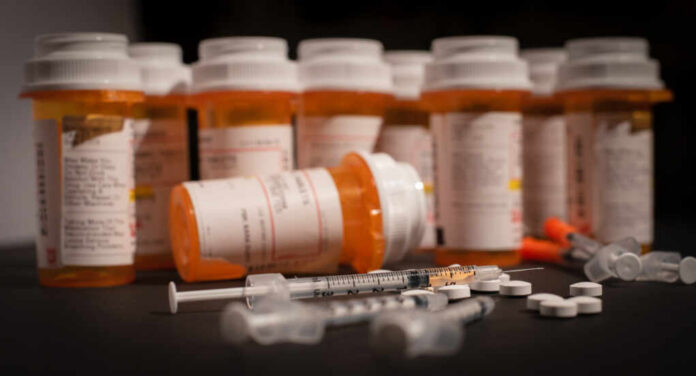
Ozempic, the weight-loss sensation, might secretly rescue your heart right after a brutal attack—but only if animal clues turn into human miracles.
Story Snapshot
- UK animal study reveals GLP-1 drugs like Ozempic boost tiny heart vessel blood flow post-heart attack via potassium channels.
- Distinct from prevention trials like SELECT’s 20% MACE drop, this targets acute recovery from microvascular damage.
- Human trials essential; preclinical promise could slash deadly complications in emergency care.
- Builds on established CV benefits: 19% MACE reduction in metas, independent of weight loss.
UK Team Discovers Microvascular Breakthrough in Animal Models
A UK research team tested GLP-1 drugs like semaglutide on animals after heart attacks. These drugs activated potassium channels in small heart vessels. Blood flow improved dramatically in the microvasculature. Standard treatments often fail here, leaving patients vulnerable to heart failure or death. This mechanism offers hope for better recovery. Findings emerged publicly on March 4, 2026. Experts call for human trials to confirm benefits.
Established Prevention Trials Set the Stage
The SELECT trial enrolled 17,604 patients without diabetes but with preexisting CVD. Subcutaneous semaglutide 2.4 mg reduced major adverse cardiovascular events by 20% over 39.8 months. Patients averaged 9.4% weight loss, alongside blood pressure drops and inflammation reductions. Ninety percent took statins already. SOUL trial with 9,650 type 2 diabetes patients showed 14% MACE reduction using oral semaglutide. Meta-analyses across 27,617 patients confirm 19% overall MACE drop.
Heart Failure Subgroups Show Stronger Signals
February 2026 JAMA analysis of SOUL data by Rodica Pop-Busui’s team found 22% fewer CV events in heart failure subgroups. Hazard ratio hit 0.78 for composite HF outcomes in baseline HF patients. Benefits strengthened in HFpEF at HR 0.59 and HFrEF at 35% MACE reduction. Interaction P-value of 0.06 signals borderline significance due to small subgroups. Pop-Busui stated these data support oral semaglutide reducing heart failure events.
Dr. Alo praised SELECT’s additive benefits on optimized therapy. Benefits hold independent of weight loss. No increased adverse events appeared across trials.
Ozempic-like weight loss drugs may help the heart recover after a heart attack
Popular weight-loss drugs such as Ozempic, Wegovy, and Mounjaro may do more than help people shed pounds. New research suggests these GLP-1 medications could also help protect the heart after a heart…
— The Something Guy 🇿🇦 (@thesomethingguy) March 5, 2026
Stakeholders Drive Momentum Amid Uncertainties
Novo Nordisk funds SELECT and SOUL while manufacturing Ozempic and Wegovy. They seek expanded indications amid surging demand. UK team advances acute care science. Global SELECT investigators proved protection in non-diabetics. Academic leaders like Pop-Busui balance pharma funding with independent analysis. Regulatory bodies like FDA and EMA control label expansions. Cardiologists and diabetes experts influence real-world adoption.
Impacts Reshape Cardiology and Access Debates
Short-term, confirmed trials could enable off-label post-MI use, cutting HF hospitalizations by 21-76% per metas. Long-term, GLP-1s shift to cardiology staples beyond obesity and diabetes. Obese CVD patients with BMI around 33 benefit most. High costs spark scrutiny, though 2026 value studies affirm lifelong gains. Socially, dual weight and CV perks combat obesity epidemics. Politically, pricing pressures mount on pharma.
Sources:
https://www.dralo.net/blog/ozempic-heart-reduce-heart-attacks
https://www.medicalbrief.co.za/semaglutide-shows-heart-benefits-in-key-group-global-study/
https://www.euronews.com/health/2026/03/04/weight-loss-drugs-help-heart-attack-recovery-study-finds
https://medicalxpress.com/news/2026-02-semaglutide-cardiovascular-health-price-reductions.html