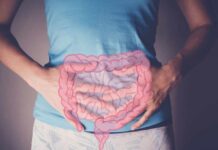
The “secret weapon” against microplastics isn’t a magic berry or a trendy detox tea—it’s the unglamorous daily habit that keeps plastics from crossing your gut wall in the first place.
Quick Take
- No single food has been proven to “eliminate microplastics” from humans; the strongest evidence points to fiber reducing absorption and helping excretion.
- Animal research suggests certain fibers, including chitosan, can bind microplastics and increase fecal excretion, but human trials remain limited.
- High-fiber eating (around 30 grams per day) aligns with lower microplastic signals in observational human data and brings side benefits most adults already need.
- Wellness content often overpromises with water-glass demos (okra/fenugreek “removing” plastics), while the human body is a messier, harder system to prove.
The Headline Promise Collides with the Reality of Plastic Everywhere
Microplastics ride into your day on ordinary things: bottled water, food packaging, airborne dust, even fibers shed from clothes. That’s why the headline “This Food Is Your Secret Weapon For Eliminating Microplastics” keeps landing—people want one lever that fixes a problem they never volunteered for. The problem: science hasn’t crowned a single food as a human microplastic eraser. The more realistic story centers on prevention inside the gut: trap more, absorb less, excrete more.
That framing matters for adults over 40 because the body’s resilience depends on boring systems—digestion, inflammation control, hormone signaling—rather than dramatic cleanses.
What Researchers Actually Mean by “Binding” and “Flushing”
Microplastics don’t behave like a single toxin. They vary by size, shape, and chemistry, and nanoplastics get special attention because smaller particles can potentially move across tissues more easily. The digestive tract is the first gate. “Binding” usually means certain fibers create a gel-like environment or present surfaces that particles stick to, so they pass through in feces rather than interacting with gut lining long enough to be absorbed. That’s a mechanism, not a guarantee.
One of the more specific research angles focuses on chitosan, a fiber derived from chitin (often sourced from shellfish). In animal work, chitosan has shown an ability to bind microplastics and increase excretion compared with controls. That’s promising precisely because it’s concrete: a measurable input with a measurable output. It’s also incomplete, because rat digestion and human digestion don’t match perfectly, and dose, food matrix, and real-world exposure patterns can change results.
Fiber: The Unsexy “Weapon” That Fits the Evidence Best
If you want a single practical answer that doesn’t insult your intelligence, it’s this: more dietary fiber, consistently. Observational reporting has linked higher fiber intake—often benchmarked around 30 grams per day—with lower signals associated with microplastics in the body. That does not prove cause and effect, but it does align with how fiber works: it increases stool bulk and transit, feeds a healthier gut microbiome, and can reduce contact time between whatever you swallowed and the tissue that decides what gets absorbed.
The political angle shows up here in a useful way: personal responsibility beats helplessness. No federal agency needs to approve your bowl of oats, your beans, or your berries. A higher-fiber pattern also plays well with the priorities most 40+ readers already have—better cholesterol numbers, better blood sugar control, better regularity, and less low-grade inflammation. The microplastics fear may be new, but the antidote looks suspiciously like what your doctor has told you for two decades.
Okra Water, Fenugreek, and the Internet’s Favorite Lab Trick
Wellness creators love the visual of cloudy water turning clearer when you add okra or fenugreek. Some demonstrations claim removal rates that sound like a home water filter commercial. Those videos aren’t automatically “fake,” but they can be irrelevant. A glass of water is not a human gut with acids, bile, enzymes, competing particles, and hours of motility.
That said, the underlying idea—sticky, viscous fibers trapping particles—matches the broader fiber hypothesis. Okra’s mucilage and fenugreek’s soluble fibers do form gels. They may reduce absorption of some compounds. The leap happens when the message shifts from “may help reduce exposure” to “flushes microplastics out of your system.” That leap sells clicks and supplements. It also sets readers up for disappointment, or worse, for ignoring bigger exposure drivers like bottled water and plastic heating.
What a Realistic Microplastics Plan Looks Like for Adults
A serious plan treats microplastics as a chronic exposure you manage, not a one-time cleanse you complete. Start with the easiest win: reduce bottled water when safe tap options exist, because particle counts can be dramatically higher in some bottled sources. Then tighten up food habits that raise contamination risk, especially heating food in plastic. Add the “weapon” that keeps paying dividends: daily fiber from whole foods—oats, legumes, vegetables, berries, nuts, and seeds—until you approach that 30-gram neighborhood.
People who value common sense also value measurable routines. Fiber is measurable: read labels, count grams, and watch what happens to your digestion and appetite. If you experiment with chitosan supplements, remember two cautions: shellfish allergies and the fact that supplement quality varies. Food-first choices keep you in control. The real open loop isn’t whether one miracle food exists; it’s whether the next wave of human trials will confirm which fibers actually lower absorption in everyday life.
Until then, treat the “secret weapon” line as a useful exaggeration with a practical core. You probably can’t eliminate microplastics completely. You can give your body the best shot at escorting more of them out the way nature intended—through a gut that works, a diet that supports it, and habits that don’t keep shoveling plastic into the system.
Sources:
https://arnoldspumpclub.com/blogs/newsletter/the-food-that-protects-you-from-microplastics
https://www.sciencefocus.com/the-human-body/clear-microplastics-from-your-body-fibre