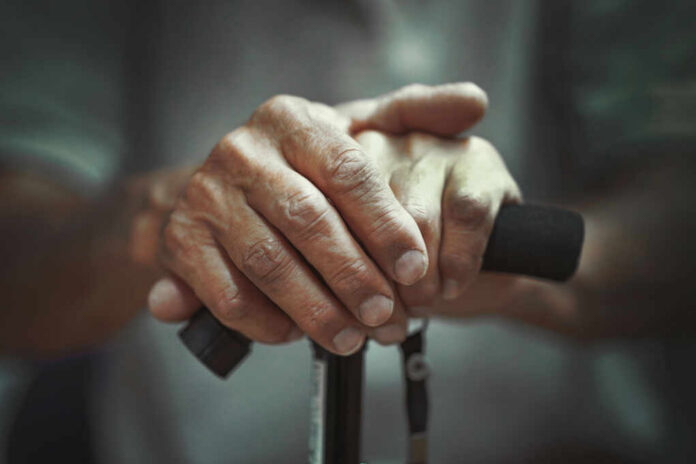
Adding just five minutes of sleep, two minutes of moderate activity, and a half-serving of vegetables to your daily routine could add an entire year to your life.
Story Highlights
- University of Sydney researchers tracked 59,078 adults and discovered tiny lifestyle tweaks add one year of life, while larger changes stack up to nine years
- Veterans Affairs study of 700,000 people shows eight healthy habits begun even at age 40 can extend life by up to 24 years for men and 21 for women
- Physical activity reduces dementia risk by up to 90 percent and helps seniors maintain independence by preventing chronic diseases
- Harvard researchers confirm these habits work even when started after age 70, demolishing the myth that seniors cannot benefit from lifestyle changes
The Five-Minute Revolution in Longevity Research
University of Sydney scientists upended conventional wisdom about healthy aging by measuring precisely how little effort yields measurable results. Their analysis of nearly 60,000 UK adults wearing activity trackers revealed that five extra minutes of sleep, two additional minutes of moderate physical activity, and minor dietary improvements like adding half a vegetable serving extended lifespan by approximately one year. The study published in The Lancet represents the most granular measurement of lifestyle impacts to date, tracking sleep patterns and movement through wearable technology rather than relying on self-reported questionnaires. The precision matters because it transforms vague health advice into concrete, achievable targets for seniors worried about overhauling their entire lives.
Stacking Small Changes Creates Exponential Gains
The Sydney researchers discovered something remarkable when they examined participants who made multiple small improvements simultaneously. Adults who added 24 minutes of sleep, nearly four minutes of moderate exercise, and significantly improved their diet scores gained four years of lifespan. When all three habits reached optimal levels together, the benefits multiplied to nine additional years. This multiplicative effect challenges the common approach of focusing on one health goal at a time. The Veterans Affairs study of 700,000 veterans expanded the framework to eight habits including not smoking, managing stress, avoiding opioid addiction, maintaining positive social relationships, regular physical activity, good sleep hygiene, healthy diet, and limited alcohol consumption. Veterans who adopted all eight habits by age 40 projected an extra 24 years for men and 21 for women.
Why These Habits Preserve Independence Better Than Just Extending Life
The distinction between lifespan and healthspan drives the urgency behind this research for seniors. University of Alabama Birmingham experts note that physical activity creates a muscle-brain connection that dramatically reduces dementia risk, with some studies showing up to 90 percent risk reduction. Sarcopenia, dementia, and osteoporosis represent the primary threats to senior independence, not merely mortality. Sedentary behavior averaging 10 to 12 hours daily accelerates these conditions, trapping seniors in a cycle of declining mobility and cognitive function. Stanford research in 2025 found that 7,000 steps daily or breaking movement into 10-minute walking intervals significantly lowered mortality rates while simultaneously improving balance, strength, and mental clarity that allow seniors to live without assistance.
The Science Behind Why Starting Late Still Works
Harvard Nutrition chair Frank Hu demolished the defeatist narrative that seniors missed their window for health improvements, stating emphatically that benefits accrue even when habits begin after age 70. Veterans Affairs researcher Xuan-Mai T. Nguyen reinforced this message, noting gains persist even when people start in their 40s, 50s, or 60s. The biological mechanisms explain why late adoption still matters. Physical activity immediately improves insulin sensitivity, reduces inflammation, and strengthens cardiovascular function regardless of previous decades of inactivity. Social connections, which the VA study linked to a five percent reduction in mortality risk, can be rebuilt at any age to combat the isolation that increases health risks as dramatically as smoking. The observational nature of these studies prevents claiming absolute causation, yet the consistency across multiple massive cohorts totaling over 800,000 participants creates compelling evidence.
Breaking Free From the All-or-Nothing Trap
The genius of the Sydney study lies in its destruction of perfectionism that paralyzes many seniors from attempting any changes. A separate analysis of 135,000 adults across Sweden, the United States, and the UK quantified that just five extra minutes of activity reduces death risk by 10 percent, while cutting sedentary time by 30 minutes drops risk seven percent. Stanford researchers recommend breaking the intimidating goal of extended exercise into manageable 10-minute walks spread throughout the day. This approach accommodates the reality of aging bodies that tire more easily while still accumulating meaningful benefits. The dietary component proves equally forgiving, with improvements measured in half-servings of vegetables rather than complete nutritional overhauls. Sleep extensions of five minutes might seem trivial, yet they compound over weeks into significantly better rest patterns that reduce inflammation and support immune function.
This simple habit could help seniors live longer and stay independent https://t.co/bKtURmOxsd pic.twitter.com/nfYiMFMQbw
— RetirementHomeTV (@RetiremenTV) March 19, 2026
The economic implications extend beyond individual health to healthcare system sustainability. Chronic disease prevention through these modest habits reduces expensive acute medical events and long-term care costs that burden families and Medicare. The wearables and diet tracking applications market continues expanding as technology makes monitoring these micro-habits increasingly accessible to seniors who once lacked tools for precise self-assessment. Public health policy increasingly emphasizes these micro-interventions over costly medical treatments, recognizing that an ounce of prevention genuinely outweighs pounds of cure when entire populations adopt achievable behavioral changes that preserve independence and dignity through the final decades of life.
Sources:
3 simple lifestyle changes could add almost a decade to your life, research shows
Harvard researchers say healthy habits may add years to your life
These Eight Habits Could Lengthen Your Life by Decades
Simple Healthy Habits That Can Lead To A Longer Life
Healthy habits for successful aging in your 60s and 70s
Aging: Incorporating healthy habits for improved longevity
Lifestyle Habits and Longevity