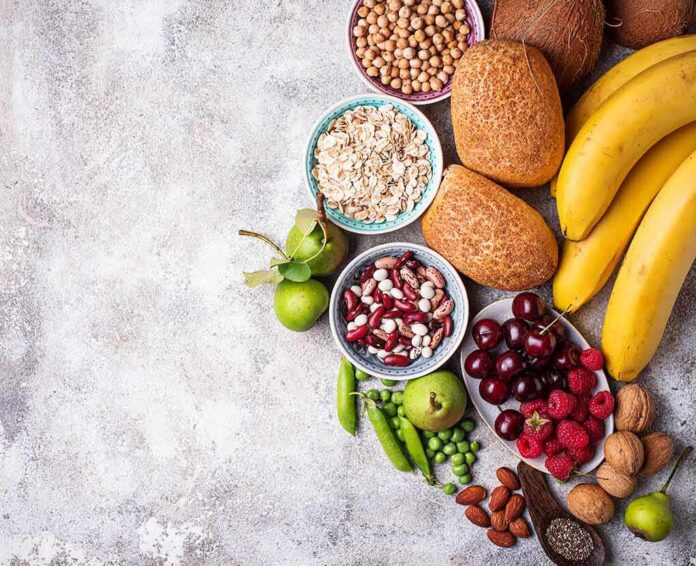
Potatoes, eggs, dairy, gluten, coffee, and whole grains all share one thing in common: they get blamed for inflammation they likely never caused.
Quick Take
- Doctors on the medical channel Talking With Docs say several foods long blamed for inflammation, including potatoes, eggs, dairy, gluten, coffee, seed oils, legumes, nightshades, fruit, and whole grains, are not inherently inflammatory for most people.
- Preparation methods and overall dietary patterns matter far more than any single food on a plate.
- Research backs the idea that heavily processed foods, not whole foods, drive most measurable inflammation markers.
- Exceptions exist, especially for people with diagnosed conditions like celiac disease, where gluten remains a real problem.
Doctors Push Back On A Decade Of Food Fear
Dr. Brad Weening and Dr. Paul Zalzal spent an episode of Talking With Docs walking through foods that picked up bad reputations over the years. White potatoes, eggs, dairy, gluten, coffee, and seed oils all made the list of foods people assume cause inflammation. Their conclusion was simple. In many cases, the food itself isn’t the problem.
Instead, the doctors pointed to how a food gets cooked and what else sits on the plate next to it. A baked potato eaten with vegetables behaves very differently in the body than a potato deep-fried in reused oil and loaded with salt. The ingredient gets blamed, but the preparation and the surrounding diet usually deserve the credit or the blame.
What The Science Actually Shows About Ultra-Processed Foods
Peer-reviewed research lines up with that take. Multiple studies tracking ultra-processed food intake found consistent links to higher inflammatory markers like C-reactive protein, especially in adults and in some children. Another review found that additives and preservatives common in heavily processed products can trigger inflammatory responses and raise oxidative stress, both tied to heart disease risk. The common thread isn’t a single banned ingredient. It’s the degree of processing.
A 2023 review in the journal Nutrients looked specifically at whether ultra-processed food consumption promotes low-grade inflammation. The authors noted the human research is still limited but pointed toward processing itself, not whole-food categories like potatoes or eggs, as the more likely driver. That distinction matters because it shifts blame away from entire food groups and toward how food gets made before it reaches a plate.
Dietary Patterns Beat Single-Food Labels Every Time
Harvard’s Nutrition Source has long noted there’s no single anti-inflammatory diet plan. Instead, the pattern that shows up again and again favors a wide variety of fruits, vegetables, and whole foods over any one magic ingredient or forbidden item. A systematic review of children and adolescents found that adherence to healthful patterns, like the Mediterranean diet, correlated with lower inflammatory biomarkers, while isolated food groups mattered less than the overall mix.
Another meta-analysis covering 2,300 subjects across 17 clinical trials found that stronger adherence to the Mediterranean diet tracked with lower levels of key inflammatory markers like C-reactive protein and interleukin-6. These findings support the central claim: it’s the pattern, not the potato, doing most of the work.
Where The Exceptions Still Apply
None of this means every food gets a free pass for every person. Gluten remains a genuine trigger for people with celiac disease, and medical guidelines from gastroenterology groups still call for a strict, lifelong gluten-free diet in those cases. Non-celiac gluten sensitivity is also real for some people, even without the same biological markers. The broader point from researchers isn’t that no food ever causes problems. It’s that blanket inflammation labels slapped on entire food categories rarely hold up once individual health conditions and preparation methods get factored in.
Why This Pattern Keeps Repeating In Nutrition News
Gluten, dairy, seed oils, and carbs have each taken turns as the villain of the month in popular health media. Mechanistic lab findings get mixed with personal testimonials and small observational studies, and a nuanced finding turns into a sweeping warning label. Whole grains, often caught in that crossfire, actually show growing evidence of reducing disease risk through anti-inflammatory pathways, according to nutrition research published in Nutrition Reviews. The lesson for anyone scrolling health headlines: ask what the food was cooked in and what else was on the plate before writing it off completely.
For readers over 40 juggling joint pain, energy dips, or a doctor’s warning about inflammation, the takeaway is refreshingly practical. Skip the panic over eggs or potatoes. Focus instead on cutting back fried, packaged, and heavily processed items, and building meals around real, whole ingredients. That shift, backed by actual data, does more for inflammation than banning any single food ever will.
Sources:
youtube.com, pmc.ncbi.nlm.nih.gov, research-archive.org, ouci.dntb.gov.ua, bsg.org.uk, worldgastroenterology.org, link.springer.com