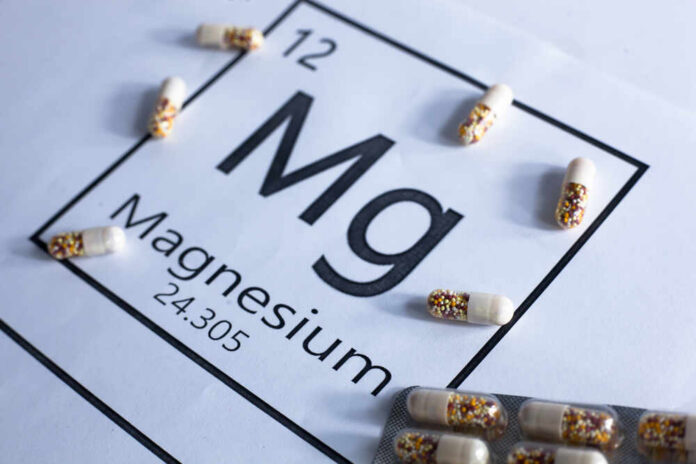
Viral “magnesium hacks” are pushing Americans toward daily supplement routines—even though experts say the science is mixed and the real risk is unregulated dosing.
Quick Take
- TikTok-style wellness content has helped turn magnesium into a “cure-all” trend for sleep, stress, cramps, and energy.
- Dietitians and medical sources consistently recommend “food first” because evidence for routine supplement benefits is limited or mixed.
- Magnesium is essential for hundreds of body functions, but more is not automatically better—especially when products vary widely by dose and form.
- Retail data shows huge interest online, yet search hype hasn’t always translated into top-selling products.
How a Basic Mineral Became a Social Media Fix‑Everything
Influencers didn’t “discover” magnesium—your body has always needed it for muscle and nerve function, energy production, bone health, and maintaining a steady heartbeat. What changed is the marketing machine: since roughly 2023–2024, short-form videos have packaged magnesium into easy narratives, from “Sleepy Girl Mocktail” recipes to form-by-form claims like glycinate for calm or citrate for digestion. That speed and certainty often outruns what research can actually prove.
The public demand picture looks similar: big attention, uneven follow-through. In 2025, magnesium reportedly became the most-searched ingredient on at least one major retailer’s platforms, hitting millions of searches, while still not consistently appearing among the top best-sellers. That matters for consumers, because it signals a familiar pattern—people are being flooded with content that encourages self-diagnosis and “stacking” supplements, not careful medical decision-making.
What the Evidence Says—And What It Doesn’t
The research most often cited in mainstream health reporting draws a clear line between magnesium’s established role in the body and the weaker evidence for daily supplementation as a universal solution. Some claims have plausible mechanisms—magnesium participates in pathways tied to relaxation and neuromuscular control—but expert summaries repeatedly describe supplement results for sleep, cramps, and mood as limited, mixed, or based on observational data rather than strong clinical trials.
That distinction is critical for anyone tired of being sold “miracle” answers. Observational findings can hint at connections—like low magnesium status and certain symptoms—without proving that a pill fixes the problem for most people. Several expert reviews also point out that cramp prevention data is not convincing in the general population. The overall message: magnesium is real nutrition, but social media certainty is not the same as medical certainty.
Daily Safety Depends on Dose, Form, and the Reality of Supplement Oversight
Most warnings aren’t about magnesium from food; they focus on supplemental magnesium because it’s easier to overdo and harder to quality-check. Reporting and medical guidance frequently cite adult daily intake targets in the neighborhood of roughly 310–420 mg from all sources, while also highlighting that supplement products can range dramatically per serving—anywhere from low double digits to many hundreds of milligrams depending on brand, form, and scoop size.
The bigger consumer problem is structural: supplements in the U.S. do not go through the same pre-market approval process as prescription drugs. That doesn’t mean every product is unsafe, but it does mean the burden shifts onto the buyer—exactly the opposite of what you want when a trend is driven by viral testimonials. When influencers portray daily magnesium as harmless “insurance,” they often skip the details that actually determine safety: existing health conditions, other medications, and total daily intake.
A Practical “Food First” Approach That Respects Common Sense
Experts quoted across multiple outlets land on the same basic advice: start with food sources and use supplements more selectively—especially for people who have a documented deficiency or a clinician’s recommendation. That’s not flashy, but it’s consistent with limited-government common sense: don’t outsource your health to an unaccountable algorithm, and don’t assume a marketplace flooded with products is automatically protecting you from bad labeling, weak quality control, or unnecessary dosing.
For everyday readers trying to cut through the noise, the most defensible takeaway is narrow and disciplined: magnesium matters; deficiencies exist; and “daily magnesium for everyone” is not established science. If you’re considering a supplement because TikTok promised better sleep by Friday, the safer path is to check diet, confirm need, and avoid megadosing—because the downside risk comes from excess and from the wild variability of supplement products.
Limited long-term data on daily high-dose supplementation remains a key gap in the reporting. Until better studies settle what works, for whom, and at what dose, consumers should treat viral wellness routines like any other hype cycle: interesting, sometimes helpful, but not a substitute for evidence-based care and personal responsibility.
Sources:
https://www.healthline.com/health-news/tiktoks-obsession-with-magnesium-healthy-or-hype
https://www.the-independent.com/news/health/magnesium-supplement-diet-wellness-b2926059.html
https://www.aol.com/articles/magnesium-become-social-media-wellness-234125592.html