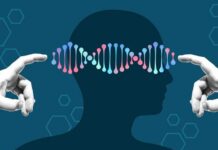
Scientists have engineered a system where your morning cup of coffee could activate gene-editing technology inside your body to fight cancer cells with unprecedented precision.
Story Snapshot
- Texas A&M researchers developed a caffeine-activated CRISPR system that triggers gene editing with as little as 20 mg of caffeine from coffee, chocolate, or soda
- The technology programs immune T cells to target cancer tumors and could regulate insulin production for diabetes patients using everyday caffeine consumption as the trigger
- Animal studies published February 2026 demonstrated successful activation through caffeine metabolites like theobromine, though human trials remain pending
- This breakthrough shifts coffee from a preventive health measure to a potential therapeutic tool, fundamentally different from decades of research showing coffee reduces cancer risk
From Prevention to Precision Medicine
For decades, coffee drinkers received reassuring news from epidemiological studies linking their habit to reduced cancer risks. Large population studies involving over 4 million subjects consistently showed that consuming two to three cups daily correlated with lower rates of liver and endometrial cancers. The World Cancer Research Fund classified this evidence as “probable” protection, crediting compounds like chlorogenic acids, cafestol, and kahweol. These antioxidants combat DNA damage and inflammation through well-documented pathways. But the Texas A&M breakthrough represents something entirely different.
Engineering Coffee as a Molecular Switch
The chemogenetic system works by pre-programming cells with genes that produce three components: a nanobody, a target protein, and CRISPR editing machinery. These components remain dormant until caffeine enters the bloodstream. A remarkably small dose—about 20 milligrams, roughly one-fifth of a typical cup—activates the system. The caffeine acts as a molecular key, unlocking the CRISPR components to perform precise genetic modifications. Researchers demonstrated this mechanism in laboratory animals using both caffeine and its metabolite theobromine, confirming the trigger works reliably across different caffeine sources including coffee, chocolate, and carbonated beverages.
The T-Cell Cancer Fighting Potential
The immediate application targets cancer immunotherapy. Scientists envision programming a patient’s immune T cells with this caffeine-responsive system before reinfusing them into the body. Once the engineered cells circulate, the patient drinks coffee or consumes another caffeine source, activating the T cells to recognize and attack tumor cells. This approach offers significant advantages over existing CAR-T therapies, which permanently alter immune cells without an off switch. The caffeine trigger provides doctors and patients precise control over when therapy activates, potentially reducing the severe side effects that plague current immunotherapies.
Beyond Cancer to Diabetes Management
The platform extends beyond oncology. Researchers specifically mentioned programming cells to regulate insulin production for diabetes patients. Imagine diabetics managing blood sugar not through multiple daily injections but by timing their coffee consumption to trigger engineered cells that release insulin as needed. This patient-controlled activation represents a fundamental shift in chronic disease management. The accessibility of caffeine—available globally in inexpensive forms—democratizes what could otherwise become another prohibitively expensive gene therapy. The researchers emphasized this accessibility as a core advantage.
The Mechanistic Foundation
This innovation didn’t emerge from a vacuum. Parallel research into coffee’s cancer-fighting properties revealed sophisticated molecular mechanisms. Compounds like trigonelline inhibit the Nrf2 pathway in cancer cells, a protein that paradoxically protects normal cells from oxidative stress but helps tumors resist chemotherapy. Coffee polyphenols induce reactive oxygen species that trigger cancer cell death while sparing healthy tissue. These discoveries, published between 2021 and 2026, provided the biochemical understanding necessary to engineer caffeine as a therapeutic trigger rather than merely a preventive agent consumed passively.
The Reality Check on Human Application
Animal studies show promise, but regulatory hurdles for gene therapies remain formidable. The February 2026 publication marks the beginning of a long translation process, not an imminent treatment. Gene therapy faces stringent FDA oversight requiring extensive safety and efficacy data. Questions persist about optimal caffeine dosing in humans, potential for accidental activation through dietary caffeine, and long-term stability of the engineered cells. The researchers provided no timeline for human trials. Meanwhile, existing evidence for coffee’s preventive benefits rests on observational studies vulnerable to self-reporting biases and confounding variables that epidemiologists acknowledge but cannot fully eliminate.
The Dual Nature of Coffee Science
Coffee research now operates on two parallel tracks. Population studies continue documenting inverse associations between consumption and cancer mortality, with the strongest evidence for liver and endometrial cancers from AICR and WCRF meta-analyses. These studies recommend two to three cups daily for health-conscious consumers. The therapeutic track pioneered by Texas A&M engineers coffee compounds as pharmaceutical tools for active treatment. Both approaches share caffeine as their centerpiece but serve fundamentally different purposes. The preventive research speaks to lifestyle choices; the therapeutic innovation targets medical intervention. Neither contradicts the other, yet they operate in separate paradigms that rarely intersect until now.
Economic and Social Implications
Low-cost caffeine integration could dramatically reduce gene therapy expenses, currently exceeding hundreds of thousands of dollars per patient for CAR-T treatments. Pharmaceutical companies and biotech firms developing CRISPR platforms gain an accessible trigger mechanism that patients can self-administer without medical supervision for dosing. Coffee producers benefit indirectly from enhanced health narratives, though they played no role in this research. The social dimension empowers patients with control over their treatment timing, a psychological benefit that compliance studies show improves outcomes. Dietary guidelines from organizations like WCRF may eventually incorporate therapeutic caffeine considerations alongside existing preventive recommendations, complicating public health messaging.
Sources:
Your morning coffee could one day help fight cancer – ScienceDaily
Coffee and Cancer: What the Research Says – AICR
Health Benefits of Coffee Consumption for Cancer and Other Diseases – PMC
The Potential Cancer-Preventive Benefits of Coffee – Nevada Cancer Coalition
Coffee Consumption and Health – PMC
Coffee and Cancer – Cancer Treatment Centers of America
Coffee, Tea and Cancer – World Cancer Research Fund