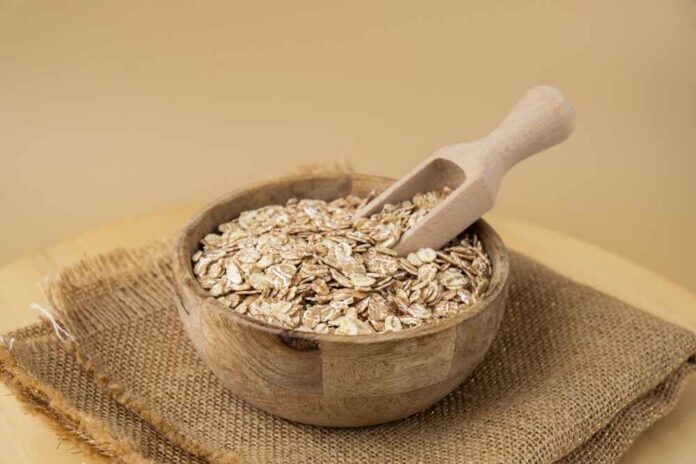
The humble bowl of oatmeal you’ve been avoiding might be one of the most scientifically validated breakfast choices available, despite what low-carb influencers want you to believe.
Story Overview
- A 2022 meta-analysis of 74 randomized controlled trials confirms oatmeal lowers blood lipids and improves weight metrics regardless of diet type
- Beta-glucan fiber in oats increases satiety and reduces subsequent calorie intake compared to ready-to-eat cereals
- Common fears about oatmeal spiking blood sugar and causing metabolic harm stem from misunderstandings of normal carbohydrate metabolism
- Whole oats provide essential brain fuel through complex carbohydrates, supporting cognitive function throughout the morning
The Carbohydrate Witch Hunt That Targeted Your Breakfast Bowl
Oatmeal became collateral damage in the low-carb wars of the 2010s. As keto and anti-sugar movements gained momentum, advocates branded virtually all carbohydrates as metabolic villains. Oats found themselves lumped together with sugary cereals and refined grains, accused of causing blood sugar spikes, triggering uncontrollable hunger, and sabotaging weight loss efforts. The narrative gained traction despite oatmeal’s decades-long reputation as a heart-healthy staple, supported by research dating back to the 1980s on its cholesterol-lowering beta-glucan fiber. This demonization ignored a fundamental distinction between whole oats and their processed, sugar-laden imposters lining grocery store shelves.
The anti-oat sentiment intensified as intermittent fasting popularized breakfast skipping altogether. Suddenly, the morning meal itself became optional or even detrimental in popular wellness circles. Complex carbohydrates like oatmeal faced double scrutiny: first for being carbs at all, second for appearing at breakfast. Meanwhile, nutrition science continued accumulating evidence in oatmeal’s favor, creating a growing disconnect between social media diet trends and peer-reviewed research. The question for anyone standing in their kitchen at 7 a.m. became: who do you trust with your breakfast decisions?
What the Science Actually Says About Oats and Your Metabolism
A comprehensive 2022 meta-analysis examined 74 randomized controlled trials and delivered a verdict that should quiet the oatmeal skeptics. Oats demonstrably improve blood lipid profiles and support healthy weight and waist measurements, regardless of what other dietary approach someone follows. The beta-glucan fiber deserves particular credit: this soluble fiber forms a gel-like substance in your digestive system, slowing nutrient absorption and promoting feelings of fullness. A 2015 study confirmed oatmeal increases satiety hormones and reduces calorie intake at subsequent meals compared to ready-to-eat cereals with identical calorie counts.
The claim that oatmeal simply converts to sugar and wreaks metabolic havoc misrepresents normal human physiology. All carbohydrates break down into glucose during digestion; this process fuels your brain, which requires steady glucose or relies on less efficient ketone alternatives. Complex carbohydrates in whole oats release glucose gradually, avoiding the sharp spikes associated with refined sugars. Nutritionists recommend keeping oatmeal portions to 400-500 calories, enhanced with nuts, berries, or other nutrient-dense additions that provide healthy fats and additional fiber. This balanced approach transforms a simple grain into a metabolically beneficial meal that supports focus and energy through mid-morning.
When Skipping Oatmeal Actually Makes Sense
Blanket nutritional recommendations rarely account for individual variation, and oatmeal proves no exception. People with gastrointestinal sensitivities to oats should obviously avoid them, regardless of population-level benefits. Some individuals genuinely thrive on very low-carbohydrate approaches and have adapted their metabolism accordingly. Others find different breakfast options better suit their schedules, preferences, or cultural traditions. The key distinction separates evidence-based personal choices from fear-based avoidance rooted in nutritional mythology. Rejecting oatmeal because you dislike the texture differs fundamentally from eliminating it because an influencer claimed it functions identically to table sugar.
The breakfast-skipping trend deserves particular scrutiny for those experiencing mid-morning energy crashes, difficulty concentrating, or increased hunger that leads to poor food choices later. Your brain consumes roughly 20 percent of your daily caloric needs and operates optimally with steady fuel. Skipping breakfast forces your body into alternative metabolic pathways that may leave you foggy and irritable. For individuals who feel genuinely better fasting through morning hours, the approach works. For those avoiding breakfast due to rushed schedules or diet trends while suffering negative consequences, reconsidering that oatmeal bowl merits serious thought.
The Verdict on Your Morning Bowl
Oatmeal’s rehabilitation in sensible nutrition circles reflects a broader recognition that whole foods with decades of supporting research shouldn’t be casualties of dietary fads. The evidence supporting oats for metabolic health, satiety, and sustained energy outweighs the fear-mongering about carbohydrates disguised as sugar bombs. This doesn’t mean oatmeal represents the only acceptable breakfast or that everyone must eat it. It means the choice to include or exclude oats from your diet should rest on facts about how your individual body responds, not on oversimplified narratives that ignore metabolic reality. The bowl you skipped this morning probably deserved better than guilt by association with Lucky Charms.
Sources:
Oatmeal is Just a Bunch of Sugar and Other Nutrition Nonsense