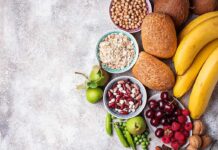
A cheap fiber powder you stir into water just helped ease knee arthritis pain in a real clinical trial.
Quick Take
- A six-week trial of 117 adults with knee osteoarthritis tested a daily prebiotic fiber called inulin against a placebo.
- People taking 20 grams of inulin a day reported meaningfully less pain, along with better grip strength and lower pain sensitivity.
- A separate group using digital physiotherapy also saw pain relief, and that group’s pain drop was actually larger.
- Researchers say the results are promising but the study was small and short, so bigger, longer trials are needed next.
What The Trial Actually Tested
Scientists ran a randomized, placebo-controlled trial published in the journal Nutrients, splitting 117 adults with knee osteoarthritis into four groups. One group got 20 grams of daily inulin, a fiber found in foods like chicory root and onions. Another did digital physiotherapy. A third combined both. The last took a 10-gram maltodextrin placebo. The design let researchers measure each treatment’s effect on its own.
After six weeks, the inulin group showed a statistically meaningful drop in pain compared to placebo, with a reported reduction of about 1.11 pain units on the study’s scale. The physiotherapy group saw an even bigger drop, about 1.55 units. Both results beat placebo on their own, but combining fiber and exercise together didn’t produce extra benefit. The paper states plainly there was no synergistic effect between the two.
Fiber Did Something Exercise Didn’t
The pain numbers only tell part of the story. Researchers at the University of Nottingham, who helped lead the work, reported that inulin uniquely improved grip strength and lowered pain sensitivity, effects the physiotherapy group did not show. That’s a notable finding, since grip strength is often used as a stand-in measure for overall muscle health in older adults.
Scientists think the fiber may work through the gut. Inulin feeds bacteria that produce butyrate, a short-chain fatty acid tied to lower inflammation, and the gut hormone GLP-1, which researchers linked to improved grip strength in this trial. But the study authors are careful here: fatty-acid levels didn’t directly line up with pain scores, meaning the exact mechanism is still a theory, not a confirmed cause-and-effect chain.
People Stuck With The Fiber Powder
One of the more practical findings had nothing to do with biology. Only about 3.6 percent of people in the inulin group dropped out of the trial, compared to roughly 21 percent in the digital physiotherapy group, according to the university and other coverage of the study. A daily scoop of powder is simply easier to stick with than a structured exercise program, which matters a lot for treatments that only work if people actually keep doing them.
Why The Fine Print Still Matters
The pain result for inulin cleared the bar for statistical significance, but just barely, with a p-value of 0.045 and a confidence range stretching from a solid improvement to almost no effect at all. The trial also lasted only six weeks and included just 117 people, which is why the researchers themselves call for larger, longer studies to confirm how durable the benefit is and who benefits most.
This fits a pattern seen across osteoarthritis supplement research. Reviews of glucosamine and chondroitin, two of the most popular joint supplements on store shelves, found no clinically relevant pain benefit despite decades of big trials testing them. Other broad reviews of joint supplements rated the overall evidence as very low quality, even when short-term results looked positive. Inulin’s six-week signal is real, but it joins a long line of supplement findings that looked encouraging early and then needed years of follow-up to prove they actually mattered.
What A Reasonable Reader Should Take From This
None of this means inulin is a miracle cure or a replacement for physical therapy, which produced the larger pain reduction in this same trial. It means a low-cost, widely available fiber supplement showed a real, measurable benefit in a properly controlled study, with an added bonus of being easy to stick with daily. For arthritis sufferers tired of pricey, unproven joint supplements, that combination of affordability and compliance is worth paying attention to while the bigger trials get underway.
A daily fiber supplement eased knee arthritis pain in a small trial, and it was far easier for people to stick with than an exercise program.
Researchers at the University of Nottingham gave 117 adults with knee osteoarthritis one of four 6-week plans: 20 g a day of inulin (a…
— OMBI. ❖ØNÊ-ŒĄ.Nacci (@CouncilShiba) October 28, 2026
Osteoarthritis affects tens of millions of Americans, and most current options are either expensive, invasive, or only modestly effective. A six-week trial won’t settle the question of whether fiber belongs in standard arthritis care. But it gives doctors and patients a legitimate, peer-reviewed reason to ask the question seriously instead of dismissing it as another wellness fad.
Sources:
sciencedaily.com, pmc.ncbi.nlm.nih.gov, thenewstribune.com