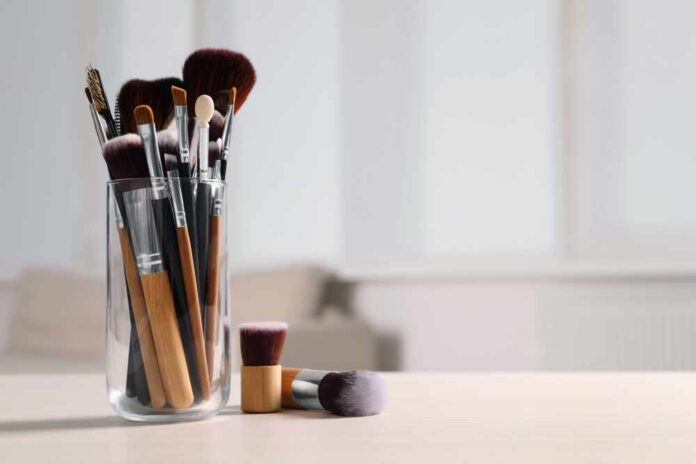
A peer-reviewed study found that nearly half of makeup brush users rarely clean their tools — and the bacteria building up on those brushes can cause real skin infections, not just bad breakouts.
Quick Take
- A published study found 70–90% of makeup products and tools tested positive for harmful bacteria, including E. coli and Staphylococcus aureus.
- Micrococcus and Staphylococcus were the two most common bacteria found on used brushes, with Staphylococcus aureus specifically identified in the samples.
- Nearly half of survey participants said they rarely clean their brushes, and more than a quarter reported skin problems they linked to their tools.
- Dermatologists recommend cleaning brushes once a week to prevent infections, acne, pink eye, and sties.
What Science Actually Found Inside Your Makeup Brushes
Research from Aston University in Birmingham, UK found that between 70 and 90 percent of makeup products and tools were contaminated with bacteria. The bacteria found included some serious names: Staphylococcus aureus, E. coli, and Citrobacter freundii. These are not harmless skin residents. Staphylococcus aureus can cause skin infections, abscesses, and in rare cases, life-threatening illness. E. coli has no business being anywhere near your face.
A separate peer-reviewed study published in the National Institutes of Health’s research database looked at 71 bacterial strains taken from used makeup brushes and beauty blenders. Micrococcus made up 31 percent of what researchers found, and Staphylococcus came in at 23 percent. Staphylococcus aureus was confirmed in the samples. These are not trace amounts from casual contact. These are dominant populations thriving in the bristles of tools people press against their skin every single day.
Nearly Half of Users Admit They Almost Never Clean Their Brushes
The same study surveyed 370 people about their cleaning habits. The results were striking. A full 44.3 percent said they rarely clean their brushes. Another 27.8 percent reported skin problems they believed were connected to their makeup tools. That is not a small number. That is roughly one in four people dealing with skin issues that a simple weekly wash could potentially prevent. The connection between dirty tools and troubled skin is not theoretical — it shows up in the data.
Dermatologist Donald B. Yoo, MD, explains that makeup brushes pick up bacteria from skin, the environment, water, and other surfaces. That bacteria then gets pressed into pores with every use, clogging them and feeding the conditions that cause acne. The brush becomes a delivery system. You apply your foundation, and along with it, you apply whatever has been living in those bristles since the last time you used it — which, for nearly half of users, could be weeks or months ago.
The Infections That Can Follow Are More Serious Than a Pimple
Bacterial transfer from dirty makeup tools is linked to pink eye, acne, sties, and allergic skin reactions. These are not rare edge cases. Pink eye spreads fast and is highly contagious. Sties are painful and can require medical treatment. Acne driven by bacterial contamination does not respond the same way to typical skincare routines, because the source keeps reinfecting the skin with every use. Treating the breakout without addressing the brush is like mopping the floor with a dirty mop.
Sharing brushes raises the risk even higher. An Australian woman reportedly developed a serious staph infection after sharing makeup brushes with a friend, resulting in temporary paralysis of her arms and legs. That case is reported through secondary sources without full medical documentation, so the direct cause-and-effect link should be taken with some caution. But Staphylococcus aureus is well-documented as capable of causing severe, systemic illness. The biology behind the warning is solid, even if that specific case lacks complete verification.
One Simple Habit That Dermatologists Agree On
Both Dr. Yoo and dermatologist Kopelman recommend cleaning brushes once a week. The method does not need to be complicated. Gentle soap, warm water, and letting brushes dry fully before the next use is enough to knock down bacterial populations significantly. Patients who adopt this habit also report that their makeup applies more smoothly, which is a practical bonus on top of the health benefit. Clean bristles pick up and deposit pigment more evenly than bristles matted with old product and skin oils.
The beauty industry has a long history of cycling through hygiene warnings, some overblown and some completely valid. Headlines calling dirty brushes “worse than a toilet seat” are the kind of dramatic framing that makes people roll their eyes and tune out. That is a shame, because the underlying science here is real. You do not need sensational comparisons to make the case. A peer-reviewed study with 370 participants and confirmed bacterial identification is enough. Clean your brushes. Once a week. It takes five minutes and the research says your skin will thank you.
Sources:
artofhealthyliving.com, uvebeauty.com, euroinstituteofskincare.com, pmc.ncbi.nlm.nih.gov, stylideas.com, reddit.com