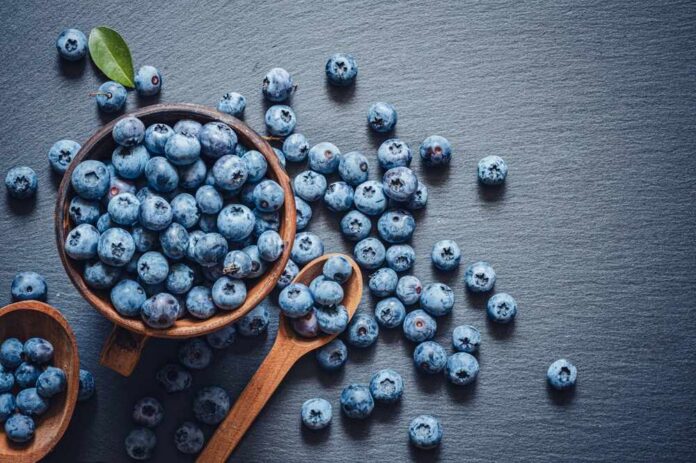
The FDA just stamped a massive frozen-blueberry recall with its most severe “Class I” warning—proof that even everyday foods can turn dangerous when contamination slips into the supply chain.
Quick Take
- Willamette Valley Fruit Company voluntarily recalled about 55,689 pounds of individually quick-frozen (IQF) blueberries over possible Listeria monocytogenes contamination.
- The FDA upgraded the action to a Class I recall, meaning exposure carries a reasonable probability of serious harm or death.
- The affected blueberries were shipped mainly through commercial channels in multiple states and Canada, not typical retail bags in grocery freezers.
- No confirmed illnesses have been publicly linked to the recalled lots as of Feb. 26, 2026, but the agency’s classification signals real risk—especially for vulnerable Americans.
What the FDA’s “Class I” label signals—and why it matters
The U.S. Food and Drug Administration upgraded the frozen blueberry recall to Class I after Willamette Valley Fruit Company initiated a voluntary pull of roughly 55,689 pounds of product. Class I is the FDA’s highest severity category, reserved for situations where exposure to a product poses a reasonable probability of serious adverse health consequences or death. That “highest alert” label cuts through the noise: regulators treat this as more than a routine paperwork recall.
The recalled product is tied to potential contamination with Listeria monocytogenes, a pathogen known to cause severe illness in vulnerable groups. The key complication is that listeria can survive—and persist—in cold environments. That means freezing doesn’t automatically neutralize the hazard the way many consumers assume. In practical terms, the danger isn’t just eating berries straight from a bag; it also includes ingredients that may be mixed into other foods.
Where the product went: bulk packaging, multi-state distribution, and Canada
The distribution details help explain why many families may not see a brand-name retail warning on their local store shelf. Reports indicate the blueberries were shipped in commercial packaging, including 30-pound cases and 1,400-pound industrial totes, which are typically used by food manufacturers, wholesalers, and institutional kitchens. The affected product moved through Michigan, Oregon, Washington, and Wisconsin, with distribution also reaching Canada.
Because these are bulk channels, the “end consumer” risk depends on what downstream businesses did with the berries. A processor could turn them into smoothies, baked goods, toppings, or mixed fruit blends served in cafeterias, hospitals, restaurants, or other prepared-food settings. Public reporting has not identified specific business recipients, which limits transparency for families trying to assess exposure. That gap also places added responsibility on distributors to quarantine product quickly.
Lot codes, “best by” dates, and how to think about exposure
FDA reporting includes specific lot codes and long “best by” windows extending into 2027, underscoring how frozen inventory can sit in storage and circulate for months. Reports list 30-pound cases with lot codes including 2055 B2 (best by July 23, 2027) and 2065 B1 and 2065 B3 (best by July 24, 2027). For industrial totes, cited codes include 3305 A1 and 3305 B1 (best by November 25, 2027).
The long shelf life is exactly why Class I recalls matter. A contaminated frozen item can remain in a warehouse, get repacked, or be used gradually across multiple production runs. As of Feb. 26, 2026, public reporting indicates the FDA has not announced confirmed illnesses linked to these blueberries. That is good news, but it does not erase the reason for the designation. Class I reflects the agency’s risk judgment if exposure occurs.
Company communications and the role of accountability in food safety
Available reporting says the company initiated the recall voluntarily and used email notifications to alert affected businesses. Multiple outlets also reported limited public-facing communication, including no widely circulated press release and difficulty obtaining additional comment. That leaves ordinary Americans dependent on regulatory postings and secondary reporting to piece together what happened, where product went, and how quickly it was removed from use.
Food safety is one area where government oversight has a clear, legitimate function: stopping dangerous products before they reach kitchen tables. The practical test is speed and transparency. A Class I recall is supposed to trigger swift action across the supply chain—distributors pulling lots, kitchens isolating inventory, and manufacturers halting use immediately. Families, especially seniors and those with compromised immunity, are right to demand clarity when regulators warn of a potentially deadly contaminant.
Sources:
Frozen Blueberry Recall: FDA Issues Class I Alert Over Possible Listeria Contamination
Life-threatening listeria risk prompts massive frozen blueberry recall across multiple states
Frozen blueberry recall 2026: FDA issues Class I alert over possible listeria contamination
55,000 pounds frozen blueberries voluntarily recalled due listeria