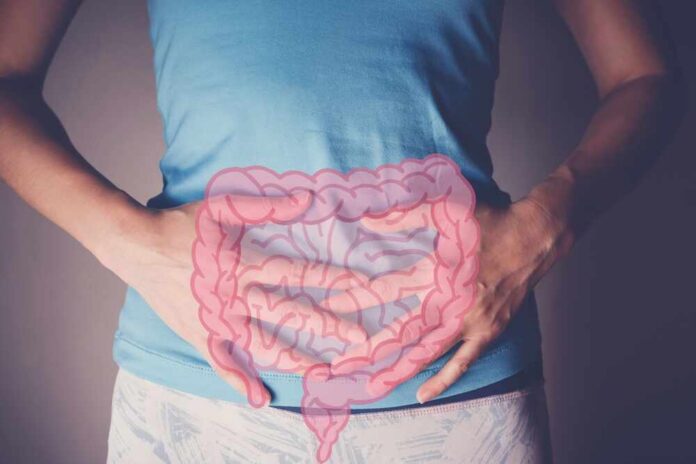
A forgotten pharmaceutical compound, resurrected from obscurity, might finally give infants and adults facing a brutal post-surgical complication a chance at keeping their livers intact.
Story Highlights
- Washington University researchers engineered WUSTL0717, a gut-specific drug that prevents liver damage after small bowel resection surgery without the dangerous side effects of previous attempts
- The compound works exclusively in the intestines, producing protective HDL cholesterol that neutralizes toxins leaking from gut bacteria before they reach the liver
- Mouse studies showed dramatic improvements in weight gain, nutrient absorption, and liver fibrosis reduction when given three weeks after surgery
- Short bowel syndrome patients currently face IV nutrition dependency and eventual liver transplants, with no existing drug therapies to prevent progression
- The team patented the compound in 2026 and plans human trials, targeting vulnerable populations including preterm infants with necrotizing enterocolitis
The Surgical Nightmare That Medicine Forgot
Short bowel syndrome sounds clinical, almost sterile. The reality is anything but. When surgeons remove diseased sections of small intestine in conditions like necrotizing enterocolitis or Crohn’s disease, they save lives. What follows often destroys them slowly. Patients cannot absorb nutrients properly. Weight plummets. They become dependent on intravenous nutrition, which paradoxically accelerates liver damage. Toxins from gut bacteria, no longer contained by a healthy intestinal barrier, flood into the bloodstream and attack the liver. Within years, many patients face liver failure and the grim prospect of transplantation. Until now, medicine offered no drug to stop this cascade.
Why Previous Drugs Failed Spectacularly
The late pediatric surgeon Brad Warner identified the problem years ago. He demonstrated that HDL cholesterol, commonly called good cholesterol, could mop up bacterial toxins before they ravaged the liver. Activating liver X receptors throughout the body boosted HDL production. Pharmaceutical companies pursued systemic LXR agonists with enthusiasm. Then the side effects emerged. Patients developed severe hyperlipidemia, dangerous fat accumulation in the blood. The drugs raised cholesterol levels so high that the cardiovascular risks outweighed any liver benefits. Development stopped cold. The compounds gathered dust in corporate archives while short bowel syndrome patients continued their march toward liver failure and transplant waiting lists.
The Gut-Only Gambit That Changed Everything
Gwendalyn Randolph and Bahaa Elgendy at Washington University asked a deceptively simple question: what if LXR activation stayed confined to the gut? Elgendy synthesized WUSTL0717, engineering it to remain trapped in intestinal tissue rather than entering systemic circulation. The compound activates liver X receptors exclusively where the problem begins, right at the intestinal barrier where bacterial toxins first breach defenses. In mouse models mimicking small bowel resection, the drug worked exactly as hoped. Treated mice gained weight, absorbed nutrients efficiently, and showed dramatically reduced liver scarring compared to untreated controls. Blood tests revealed no signs of the metabolic chaos that doomed earlier systemic drugs.
Precision Medicine Meets Surgical Desperation
The implications extend beyond short bowel syndrome. WUSTL0717 represents a blueprint for reviving abandoned drug targets through tissue-specific engineering. Elgendy calls it the next generation of precision therapeutics, allowing researchers to revisit biological pathways previously deemed too dangerous to manipulate. The pharmaceutical industry abandoned LXR agonists entirely after systemic versions failed. This gut-restricted approach could resurrect not just one compound but an entire class of therapies for gastrointestinal and liver diseases. The team filed a patent through Washington University’s technology transfer office, signaling commercial development intentions. Their next study will test WUSTL0717 under the additional stress of intravenous nutrition, mimicking real-world clinical conditions more closely.
The Patients Who Cannot Wait
Colin Martin, a pediatric surgeon who treats children with short bowel syndrome, describes the current situation bluntly. These patients endure severely diminished quality of life. Preterm infants who survive necrotizing enterocolitis face years of IV nutrition, repeated hospitalizations, and developmental delays tied to malnutrition. Adults with Crohn’s disease who require extensive resections lose independence and watch their livers deteriorate. Transplantation offers hope but demands lifelong immunosuppression and carries substantial mortality risk. A drug that preserves liver function and improves nutrient absorption would transform patient trajectories fundamentally. The March 2026 publication in Gastroenterology sparked cautious optimism among specialists, though everyone acknowledges the vast gap between mouse studies and human efficacy.
From Laboratory Bench to Patient Bedside
Randolph frames the goal starkly: advance a therapeutic capable of preserving liver function and eliminating the need for transplants. The research honors Warner’s legacy, building directly on his foundational work linking gut bacteria to post-resection liver damage. Warner died before seeing this application of his discoveries, but his insights about HDL protection and the gut-liver axis provided the theoretical foundation. The current team combined Warner’s clinical observations with modern medicinal chemistry to solve the systemic toxicity problem that stalled previous efforts. Whether WUSTL0717 succeeds in humans remains uncertain, but the preclinical data offers something patients desperately need: a rational basis for hope grounded in rigorous science rather than wishful thinking.
Sources:
Innovative Compound Halts Common Post-Intestinal Surgery Complications – ScienMag
Gut drug boosts liver health – Drug Target Review
New Compound Protects Liver After Major Intestinal Surgery – SciTechDaily
New drug may protect the liver after gut surgery of preterm babies – Drug Today Online