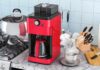
The air inside your home is almost certainly more polluted than the air outside, and your stove, candles, and cleaning products are a big reason why.
At a Glance
- Indoor air can be two to five times more polluted than outdoor air, largely due to everyday household sources like gas stoves, scented candles, and cleaning sprays.
- Volatile organic compounds released by common household products have been correlated with worsened cognitive testing scores, raising real questions about brain health at home.
- Major health institutions including the American Academy of Pediatrics consistently identify gas stoves, candles, and air fresheners as significant indoor pollutant sources.
- The science firmly supports reducing exposure and improving ventilation, but the claim that brain damage happens within hours of typical household use is not yet proven by direct human studies.
Your Home Is Not the Clean Air Sanctuary You Think It Is
Most people assume stepping inside protects them from air pollution. The Environmental Protection Agency’s own data tells a different story. Cleaning products alone release volatile organic compounds, known as VOCs, that can make indoor air two to five times more polluted than the air outside. [4] Add a gas stove, a few scented candles, and a spray bottle of bathroom cleaner, and you have assembled a surprisingly potent chemical cocktail inside the place where you spend roughly 90 percent of your time.
The American Academy of Pediatrics lists gas and wood stoves as major indoor pollutant sources alongside tobacco smoke, mold, and pests. [7] Nationwide Children’s Hospital confirms that personal care products, candles, and air fresheners all release gases into the air you breathe daily. [2] These are not fringe wellness claims. These are mainstream pediatric and public health institutions saying your home environment carries measurable chemical risk. That alone should get your attention.
The Brain Connection Is Real, But the Evidence Has Limits Worth Knowing
Physician Austin Perlmutter has written that indoor VOC exposure correlates with worsened cognitive testing, and that indoor cooking ranks among the top contributors to indoor air pollution, which is itself a known risk factor for worse brain function. [1] The biological pathways are plausible. Researchers point to inflammation, oxidative stress, and the ability of certain fine particles to cross the blood-brain barrier as mechanisms linking air pollution to neurological outcomes. Those mechanisms are real. The leap that gets shakier is the claim that a single afternoon of cooking or cleaning measurably impairs your brain within hours. A 2024 peer-reviewed study indexed on PubMed confirmed that cleaning and disinfecting products increase occupants’ exposure to harmful chemical air contaminants and particulate matter, [5] but that study focused on respiratory and chemical exposure outcomes, not rapid cognitive decline.
The honest read of the available evidence is this: long-term, repeated exposure to elevated indoor pollutants is a legitimate concern for brain health. The acute version of the story, that lighting a candle tonight will measurably dull your thinking by morning, has not been demonstrated in a controlled human study. That distinction matters. Conflating the two makes the entire topic easier to dismiss, which would be a mistake, because the chronic exposure concern is well-grounded.
What the Institutions Actually Recommend You Do About It
The California Air Resources Board advises that some cleaning products and air fresheners may actually increase indoor air pollution and recommends adequate ventilation during and for several hours after cleaning. [6] The American Academy of Pediatrics recommends reducing pollutant sources and optimizing ventilation throughout the home. [7] These are not radical suggestions. Open a window when you cook. Run the exhaust fan. Choose fragrance-free cleaning products when you can. Avoid burning incense regularly, since it ranks among the higher-output indoor combustion sources. [1] None of this requires expensive equipment or a complete household overhaul.
Indoor air pollution can be a silent killer. Earn #CME, identify the health risks of common indoor air pollutants and develop air quality action plans in this @LungAssociation learning module. #LungHealthhttps://t.co/L0HaS70xYV
— AMA Ed Hub™ (@AMAEdHub) June 1, 2026
The wellness industry has a financial incentive to make indoor air quality sound urgently catastrophic, which is worth keeping in mind when you encounter dramatic claims. [3] But institutional guidance from the American Academy of Pediatrics, Nationwide Children’s Hospital, and the California Air Resources Board converges on the same practical advice, and that convergence deserves more weight than any single alarming headline. The evidence supports taking indoor air quality seriously as a chronic health factor. It does not yet support panic. It does support cracking a window, which costs nothing and carries no downside whatsoever.
Sources:
[1] Web – Your Stove, Candle, & Cleaning Products Have A Surprising Link To …
[2] Web – 4 Common Brain Toxins Hiding in Your Home – Austin Perlmutter MD
[3] Web – Indoor Air Can Cause Health Problems
[4] Web – Air Quality In Home From Toxic Products and Material – Field Controls
[5] Web – How Cleaning Products Affect Indoor Air Quality (2026) – Green Llama
[6] Web – Cleaning products: Their chemistry, effects on indoor air quality, and …
[7] Web – Cleaning Products & Indoor Air Quality