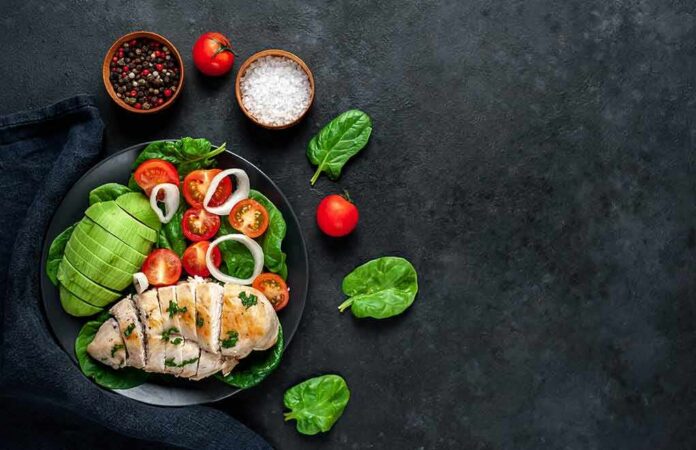
Dinner does not need a makeover to get healthier — it just needs a few smart add-ons you probably already own.
Quick Take
- A wellness outlet lists simple additions, like beans, citrus juice, fresh herbs, chia seeds and arugula, that boost any meal’s nutrition in minutes.
- A half-cup of black beans adds about 7 grams of fiber, according to the article.
- Squeezing lemon or lime over plant-based iron sources can boost iron absorption two to three times, the piece reports.
- Federal dietary guidance backs beans, herbs and citrus as staples of a healthy eating pattern.
Six Small Changes, Big Nutritional Payoff
A recent Mindbodygreen article lays out easy ways to upgrade meals without extra cooking time. The piece names beans or chickpeas, a squeeze of lemon or lime, fresh herbs, chia seeds and arugula as quick additions. Each one takes seconds to add but changes the nutritional makeup of a plate in a real way.
None of these swaps require a trip to a specialty store. Beans, citrus and herbs sit in most kitchens already. That accessibility is the whole point. People skip healthy habits that feel complicated, but stirring chickpeas into a salad or squeezing a lime wedge over rice asks almost nothing of the cook.
Beans and Citrus Pack an Extra Punch
Beans do double duty in federal nutrition guidance, counting as both a vegetable and a protein source. The Dietary Guidelines for Americans specifically list beans, peas and lentils in both categories, reinforcing why nutritionists keep pointing people toward them. The Mindbodygreen piece adds a concrete number to that recommendation: a half-cup of black beans delivers roughly 7 grams of fiber, a meaningful chunk of a daily target most Americans fall short of.
Citrus earns its spot on the list for a different reason. Vitamin C helps the body absorb non-heme iron, the type found in spinach, beans, lentils, tofu and whole grains. The article cites research suggesting that pairing vitamin C with these foods at the same meal can boost iron absorption two to three times over. For anyone trying to get more iron from plant foods, a squeeze of lemon or lime is a near-effortless assist.
Herbs, Chia and Arugula Round Out the List
Fresh herbs bring more than flavor. The article notes they carry polyphenols and micronutrients while helping cooks lean less on salty or sugary sauces to make food taste good. That tracks with federal advice, too. The government’s Start Simple with MyPlate guide specifically recommends herbs, spices, lemon, lime and vinegar as stand-ins for high-sodium seasonings.
Chia seeds made the list for their fiber content, easy to sprinkle over oatmeal, yogurt or smoothies without changing the taste much. Arugula rounds out the group. The article points to its nitrate content and a possible link to healthy circulation and blood pressure, framing it as a simple swap for milder greens in a salad or warm dish.
Where This Advice Fits Into The Bigger Picture
These kinds of tips compete for attention in a crowded, noisy online food space. Research on nutrition information published online and on social media has found that quality and accuracy are inconsistent, and nearly half of studies reviewed rated the content low on both counts. That makes it worth noting when guidance lines up with established federal dietary patterns, as these five additions largely do.
The six-upgrade list stands out because it stays modest. It does not promise a cure or a dramatic transformation. It simply points to foods with documented nutritional roles, beans for fiber and protein, citrus for iron absorption, herbs for flavor without added sodium, and suggests adding them to meals people already eat. That kind of practical, low-friction advice tends to stick, because it does not ask anyone to overhaul how they cook.
For readers overwhelmed by competing diet trends and conflicting claims online, the appeal is simple. Small, grounded habits, a handful of chickpeas here, a squeeze of lime there, cost nothing extra and carry little risk. That combination of low cost and solid backing from established dietary guidance is likely why this kind of list keeps resurfacing across wellness media.
Sources:
mindbodygreen.com, dietaryguidelines.gov, usda.gov