A caffeine byproduct once dismissed as metabolic waste now powers energy drinks promising mental clarity without the dreaded afternoon crash, but the science backing this miracle molecule remains alarmingly thin.
Story Snapshot
- Paraxanthine, a caffeine metabolite, enters the market as the newest stimulant alternative in beverages and supplements
- Small trials suggest improved attention and memory lasting six hours without jitters, but evidence lacks independent replication
- The caffeine alternatives market, valued at $13 billion, races toward $19.8 billion by 2032 as 83% of consumers seek cleaner energy
- Established alternatives like matcha and L-theanine offer proven benefits while paraxanthine rides regulatory leniency
The Science Behind Your Body’s Coffee Conversion
Your liver transforms roughly 84 percent of consumed caffeine into paraxanthine, a molecule researchers have studied since the 1970s. This metabolite blocks adenosine receptors similarly to caffeine but supposedly without triggering the adenosine buildup that causes energy crashes. Between 2023 and 2024, small human trials tested 200-milligram paraxanthine capsules against placebos, showing improvements in reaction time and sustained attention. One recent study claimed paraxanthine outperformed caffeine for post-exercise cognitive performance, sparking media attention that outpaced the actual evidence. The hype centers on paraxanthine’s pharmacological elegance: delivering stimulation without the metabolic baggage of its parent compound.
Market Forces Driving the Clean Energy Revolution
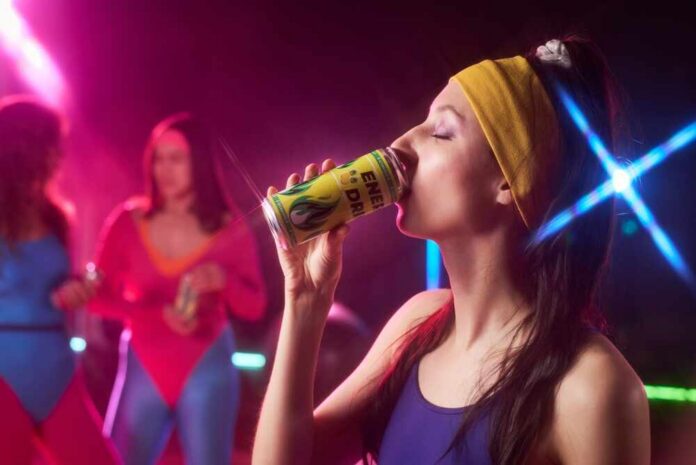
Beverage companies seized paraxanthine’s Generally Recognized as Safe status to bypass stringent FDA approval processes. Energy drink startups and experimental coffee brands launched products throughout 2024 and 2025, marketing “focused, clean energy” to remote workers and wellness enthusiasts battling mental fatigue. OmniActive Health Technologies developed enXtra, a caffeine-free nootropic targeting the same demographic, while Spoke Sciences prepared QShots beverages blending ashwagandha and cordyceps. These companies tap into a post-pandemic wellness boom where more than 80 percent of U.S. adults consume caffeine daily, many seeking alternatives to manage jitters and tolerance. The regulatory environment practically invited commercialization before robust clinical validation.
What the Limited Research Actually Shows
The paraxanthine studies showing cognitive benefits involved small participant pools and short observation windows. Attention improvements persisted up to six hours after a 200-milligram dose in one trial, but no large-scale randomized controlled trials have confirmed these findings. Researchers noted smoother adenosine receptor antagonism compared to caffeine, theoretically explaining reduced side effects. Yet independent replication remains absent, leaving brands’ claims resting on preliminary data often funded by industry stakeholders. Contrast this with established alternatives: L-theanine from green tea demonstrably boosts alpha brain waves for calm focus, matcha provides sustained energy through slower caffeine absorption, and chicory root supports gut health with documented prebiotic fiber benefits.
The Broader Alternatives Landscape Offers Proven Options
While paraxanthine chases validation, traditional caffeine substitutes carry decades of evidence and cultural use. Yerba mate from South America delivers smooth stimulation through a blend of caffeine, theobromine, and antioxidants. Maca root, cultivated in Peru for centuries, shows antifatigue potential though researchers acknowledge more data is needed. Ginseng’s adaptogenic properties support mental clarity without stimulant jitters, backed by Asian medicinal traditions and modern clinical studies. Matcha combines caffeine with L-theanine naturally, creating the synergy supplement makers try to replicate artificially. These options lack paraxanthine’s novelty but compensate with safety profiles established through long-term use and rigorous study.
Economic Stakes and Consumer Expectations Collide
The coffee substitutes market’s projected $6.7 billion growth by 2032 attracts entrepreneurs betting on paraxanthine’s commercial viability before science settles efficacy questions. Supplement firms partner with researchers to generate favorable studies, creating potential conflicts of interest that should concern discerning consumers. OmniActive cites surveys showing 83 percent consumer willingness to switch from caffeine, but survey questions often prime respondents toward desired answers. Health influencers amplify marketing claims on social media platforms, blurring lines between authentic testimony and sponsored content. The economic incentive to move product before competitors contradicts the scientific principle of cautious validation, leaving consumers navigating hype without adequate guidance.
Risks Hidden in the Rush to Market
Paraxanthine’s Generally Recognized as Safe designation means minimal FDA oversight unless adverse events emerge. Long-term safety data remains nonexistent because widespread human consumption only began recently. The substance bypasses traditional metabolism, raising unanswered questions about chronic use effects on liver function, sleep architecture, and cardiovascular health. Brands racing to claim market share prioritize speed over comprehensive toxicology studies. Consumers attracted to “clean energy” messaging may unknowingly participate in an uncontrolled experiment, trusting regulatory gaps that assume safety rather than prove it. The absence of reported problems thus far provides cold comfort when post-market surveillance catches issues only after widespread harm.
Paraxanthine might eventually earn its place among legitimate caffeine alternatives, but current evidence demands skepticism rather than enthusiasm. Established options like matcha, L-theanine combinations, and adaptogenic herbs offer benefits without requiring consumers to gamble on incomplete science. The wellness industry’s eagerness to monetize preliminary research exploits legitimate consumer desires for better energy management. Until independent researchers replicate paraxanthine’s purported benefits in large, rigorous trials, prudent individuals should treat marketing claims as aspirational rather than factual. The human body’s complexity deserves more respect than speculative biochemistry packaged in attractive branding permits.
Sources:
New Caffeine Alternative Promises No Jitters or Crash. Here’s The Evidence – ScienceAlert
Coffee Alternatives: 12 Healthy Substitutes – Healthline
Caffeine Alternatives: Getting Your Energy Boost Without Coffee – OSF Healthcare
Caffeine Alternatives for Mental Alertness – OmniActive Health Technologies
12 Natural Ways to Stay Awake and Alert Without Caffeine – GoodRx
Caffeine Alternatives: 6 Sources of Energy – Spoke Sciences
The Top Natural Energy Boosters: Caffeine Alternatives That Work – PRLabs