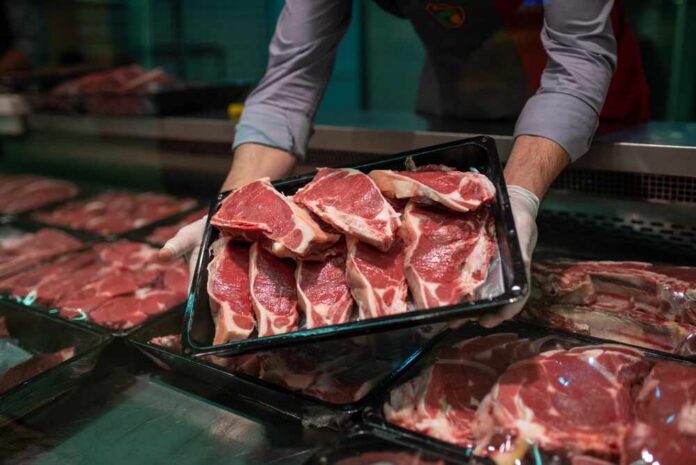
A groundbreaking study tracking nearly 16,000 Americans for over a decade has upended the prevailing wisdom that animal protein shortens your life—and the findings may surprise those who’ve been avoiding steak and eggs.
Story Snapshot
- NHANES III study of 16,000 U.S. adults found no increased mortality risk from animal protein intake through 2006
- Higher animal protein consumption showed a modest protective effect against cancer-related death
- Plant protein demonstrated minimal impact on mortality outcomes, contradicting earlier middle-aged cohort studies
- Research challenges decade-old narratives linking meat to premature death, supporting balanced protein diets
The Study That Defied Conventional Wisdom
The NHANES III database tracked U.S. adults from 1988 through 2006, examining dietary habits alongside death rates from all causes, cardiovascular disease, and cancer. Researchers led by Yanni Papanikolaou of Nutritional Strategies analyzed protein intake patterns and measured IGF-1 hormone levels, expecting to confirm earlier warnings about animal protein dangers. Instead, they found the opposite. Higher consumption of meat, dairy, and eggs correlated with reduced cancer mortality, while total protein intake—whether animal or plant—showed no association with dying earlier from any cause. The results landed in Applied Physiology, Nutrition, and Metabolism in August 2025, immediately sparking debate in nutrition circles.
Why Earlier Studies Got It Wrong
The disconnect traces back to 2014 research focusing exclusively on middle-aged adults, which painted animal protein as a longevity threat through IGF-1 pathways and favored plant sources. Those studies created a scientific orthodoxy that influenced dietary guidelines and spawned countless plant-based diet advocates. The new analysis reveals age matters profoundly. While middle-aged cohorts may show plant protein advantages, older populations tell a different story. Italy’s InCHIANTI study of 1,139 seniors over 20 years found animal protein inversely linked to death from all causes and heart disease, with hazard ratios of 0.96 and 0.93 per one percent energy increase. The NHANES data, spanning ages 19 and up, captures a broader demographic reality than age-restricted predecessors.
The Cancer Protection Nobody Predicted
The modest cancer mortality benefit from animal protein stands as the study’s most intriguing finding. Papanikolaou’s team controlled for age, smoking status, physical activity, and other confounders, yet the protective association persisted. This contradicts decades of warnings from advocacy groups claiming red meat accelerates cancer risk. The mechanism remains unclear—observational designs cannot prove causality—but the scale of the cohort and consistency with clinical trial data lend credibility. Global ecological analyses from 101 countries between 1961 and 2018 showed plant protein correlating with adult life expectancy, yet also revealed animal protein aiding infant survival under age five. The nuance suggests protein needs shift across life stages, a complexity lost in one-size-fits-all dietary advice.
Industry Ties and Scientific Credibility
Nutritional Strategies, the firm behind Papanikolaou’s research, maintains food industry connections that merit scrutiny. No overt conflicts appear in disclosures, but the organization’s emphasis on animal-plant protein synergy aligns conveniently with agricultural interests. That said, the NHANES dataset originates from the CDC, a credible source, and the findings echo independent research like the 2022 meat intake analysis tying total meat consumption to life expectancy gains. Peer review from Applied Physiology, Nutrition, and Metabolism adds legitimacy, though the observational nature and self-reported dietary data introduce bias risks. Cross-referencing multiple studies—InCHIANTI for elderly populations, Sydney global data, PubMed-indexed trials—reveals consistent themes: animal protein poses no universal mortality threat, and age-specific benefits exist.
What This Means for Your Plate
The research arms everyday Americans with evidence to resist dogmatic nutrition narratives. For over a decade, consumers faced relentless messaging that meat kills, plant protein saves. This study, alongside supporting trials, demonstrates both protein types promote health when consumed as part of balanced diets. The cancer protection finding particularly matters for adults seeking longevity strategies beyond eliminating entire food groups. Economically, the results bolster meat and dairy industries while challenging vegan marketing claims of superiority. Politically, they may influence USDA and WHO dietary guidelines toward greater flexibility. Socially, the data eases polarization around protein choices, validating “flexitarian” approaches over rigid plant-only dogma.
Papanikolaou summarized the implication plainly: both animal and plant protein foods promote health and longevity. That common-sense conclusion, backed by 16,000 lives tracked over decades, deserves more attention than the alarmist headlines that dominated the prior decade. The study’s limitations—self-reported intake, observational design, lack of mechanistic proof—demand acknowledgment, yet the scale and consistency with global data cannot be dismissed. Middle-aged individuals may still see plant protein advantages, but blanket condemnation of animal sources crumbles under scrutiny. For older adults especially, the Italian InCHIANTI findings suggest animal protein cuts mortality risk, a reality buried beneath advocacy-driven research narratives favoring plants.
Sources:
Animal protein not linked to higher mortality risk, study finds
Animal protein not linked to higher mortality risk, study finds
Animal vs Plant Protein: No Big Differences for Mortality
Animal protein not linked to higher mortality risk, study finds
Meat intake and life expectancy: A global perspective