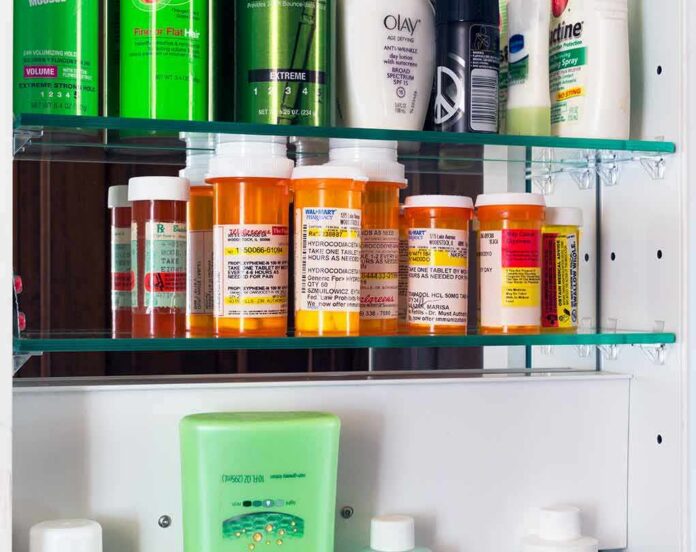
Millions of Americans grab a new vitamin, herbal pill, or protein powder off the shelf without ever checking whether the bold promise on the label matches real evidence.
Quick Take
- Federal guidance says supplement claims need real scientific backing, not just marketing language.
- Red flags like “cure,” “miracle,” and testimonials often signal weak or missing evidence.
- Third-party certification seals help screen quality but don’t guarantee a product works.
- Talking to a doctor matters most for older adults, pregnant women, and anyone on multiple medications.
Why Supplement Marketing Often Outruns the Science
Supplements reach store shelves without the premarket approval process drugs go through. The Food and Drug Administration’s consumer guidance makes this distinction clear to shoppers who might otherwise assume every bottle has been tested and approved before sale. That gap between marketing speed and scientific proof is not new, but it explains why so many claims sound stronger than the research behind them.
Sellers know a confident claim sells better than a cautious one. That incentive does not make every supplement fraudulent, but it does mean shoppers carry the burden of checking the evidence themselves before trusting a label.
The Federal Standard for Backing Up a Health Claim
The Food and Drug Administration tells manufacturers that any claim needs “competent and reliable scientific evidence.” That means checking what the claim actually says, how closely the evidence matches it, how strong the studies are, and what the full body of research shows, not just one favorable result. The Federal Trade Commission applies a similar test to advertising, asking whether a reasonable consumer would be misled by the message.
Consumers can borrow the same logic. Instead of asking “does this sound convincing,” ask “what kind of study proved this, on how many people, and for how long.” A single small trial funded by the company selling the product deserves far less trust than several independent studies pointing the same direction.
Red Flags That Should Slow Down Any Purchase
Health experts point to specific warning signs consumers can spot without a science degree. Claims that a product “cures,” “treats,” or “reverses” a disease go beyond what supplements are legally allowed to promise. Words like “miracle,” “secret,” or promises that sound too good to be true usually mean the evidence is thin or nonexistent. Vague ingredient lists, hidden “proprietary blends,” and missing manufacturer information are also worth avoiding.
The National Institutes of Health’s Office of Dietary Supplements reminds consumers that “natural” does not mean risk-free. Plenty of naturally occurring substances interact with medications or cause harm at high doses. That single word on a label should never substitute for actually reading what’s inside the bottle and how much of it is there.
Third-Party Seals Help, But They Aren’t the Whole Story
Harvard Health recommends looking for certification seals from independent testing groups, since those organizations verify that a product contains what the label claims and screen for contaminants. The Department of Defense’s Operation Supplement Safety scorecard offers a similar seven-question screening tool built around certification and ingredient transparency.
Certification is a useful filter, not a finish line. A seal confirms a product was manufactured to a certain quality standard. It does not prove the ingredient actually treats whatever condition the marketing implies, and it does not account for how that product interacts with a person’s specific health situation.
When Professional Advice Changes the Outcome
Medical ethics researchers note that supplement quality concerns become far more serious for people managing chronic disease, pregnancy, or multiple prescriptions. A supplement that seems harmless for a healthy adult can interact badly with blood thinners, blood pressure medication, or liver and kidney conditions. That is exactly the population where a five-minute conversation with a pharmacist or doctor carries real weight, not just polite caution.
None of this means every supplement claim is a scam or that skepticism should turn into paralysis. It means treating a supplement label the same way a careful shopper treats a used car listing: verify before you trust, and remember that the seller’s confidence is not evidence.
Sources:
optimalamino.com, fda.gov, ods.od.nih.gov, health.harvard.edu, eatrightpro.org, examine.com, crnusa.org