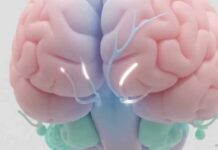
Your brain does not need a gym membership to stay sharp as you age. It just needs you to keep moving, even in small, unglamorous ways.
Quick Take
- Research on adults over 50 shows exercise improves memory and thinking skills, not just physical health.
- A landmark review found sessions of 45 to 60 minutes at moderate intensity gave the biggest cognitive payoff.
- Light activity, like stretching or chores, also links to better brain function over time.
- Experts still debate how much movement is enough, but nearly all agree some is far better than none.
What The Research Actually Found
A major systematic review published in the British Journal of Sports Medicine looked at 36 studies covering more than 300 measured outcomes. It found that physical exercise improved cognitive function in adults over 50. Benefits showed up most clearly when people worked out for 45 to 60 minutes per session at moderate intensity or higher. That is a real, measurable effect, not wishful thinking from wellness culture.
Other researchers have confirmed the pattern using different methods. A review in the journal Frontiers in Aging Neuroscience compared five types of exercise, including resistance training, aerobic workouts, and mind-body practices like tai chi. Nearly every category showed benefits for global cognitive function. Aerobic exercise alone produced a strong positive effect on overall thinking skills and a moderate boost to memory in a separate 2025 analysis.
Why Small Movements Still Count
Not every study demands a formal workout plan. One PMC review reported that exercising for roughly 52 hours total was linked to better cognitive performance in older adults, whether or not they already had memory problems. The activities that helped included aerobic exercise, strength training, and mind-body movement, often combined rather than done in isolation.
Light activity gets attention too. A scoping review found that simple daily movement, not just structured workouts, showed a positive relationship with brain function in several studies. Standing up during a long work session or handling yard work counts as real activity, according to reporting that highlighted how any movement adds up over time. That framing matters for readers who feel intimidated by fitness routines built for people half their age.
Where The Evidence Gets More Cautious
Bigger data sets bring some tempering. A large meta-analysis published in JAMA Network Open reviewed 104 studies covering over 341,000 participants. It found only a weak association between physical activity and reduced cognitive decline, and no significant link when researchers looked at people tracked for more than ten years. That does not cancel out the positive findings elsewhere. It simply shows the effect is real but modest at the population level, and it fades in some long-term comparisons.
A separate PubMed-indexed analysis backed the overall direction while adding nuance. It found exercise significantly improved general cognition, memory, and executive function, though the benefit for memory and executive skills was actually stronger in younger people than in older adults. That does not mean older adults should skip exercise. It means expectations should stay realistic rather than treating movement as a guaranteed cure.
What This Means For Daily Habits
The consistent theme across dozens of studies is that movement helps the aging brain, whether through structured resistance training, aerobic workouts, or simple daily activity. Resistance training alone has been shown to improve working memory and spatial memory span in older adults. None of this requires marathon training or expensive equipment. It requires showing up, regularly, in whatever form fits a person’s life and ability.
People do not need perfection to protect their minds as they age. They need consistency, a willingness to get off the couch, and reasonable expectations about what movement can and cannot fix. That is a far more honest message than any headline promising a miracle fix, and it is one grounded in real evidence rather than hype.
Sources:
mindbodygreen.com, bjsm.bmj.com, pmc.ncbi.nlm.nih.gov, journals.sagepub.com, frontiersin.org, jamanetwork.com, academia.edu