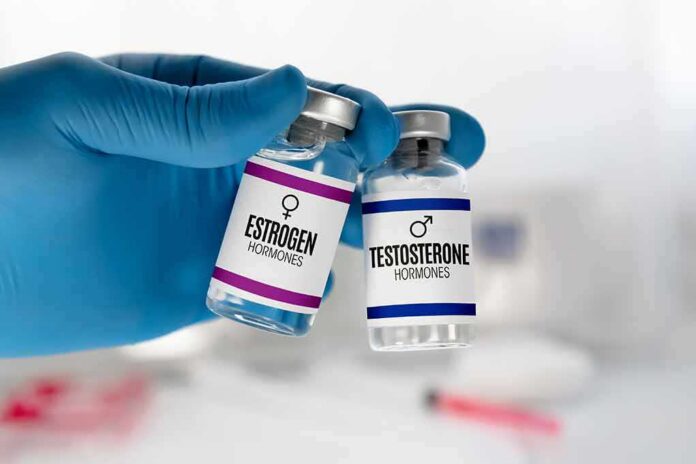
A month after starting testosterone therapy, many men notice real changes in their bodies, from new muscle definition to swollen ankles.
Quick Take
- Doctors say early effects of testosterone replacement therapy can show up within weeks to two months of starting treatment.
- Reported changes include muscle gain, possible fat loss, shifts in energy and libido, and fluid retention in the feet and ankles.
- Larger research reviews confirm measurable gains in lean mass and modest fat loss, but only within properly diagnosed patients.
- The Food and Drug Administration (FDA) limits approved use to men with confirmed low testosterone tied to a medical condition.
What Happens In The First Weeks
Men starting testosterone replacement therapy often notice the first signs of change within a few weeks to two months, according to Dr. Smith, a physician quoted by Men’s Health. That window covers a range of effects, not a single symptom. Some men notice more energy first. Others see shifts in mood, sex drive, or body shape before anything else changes.
Dr. Abraham Morgentaler explains that testosterone turns on androgen receptors inside muscle tissue, which signals the body to build more muscle. But he’s careful to note the effect of a standard replacement dose is “fairly minimal” on its own. Real muscle growth still depends on strength training and eating enough protein, not the hormone alone.
Fat Loss Is Indirect, Not Automatic
Some men report losing body fat on testosterone therapy, but the hormone doesn’t burn fat directly. Instead, it works through side doors. More muscle mass can raise your resting metabolism. Better energy can mean more motivation to move and exercise. Add those up over weeks, and fat loss can follow, even though testosterone itself isn’t the direct cause.
Bigger research reviews back up a version of this story, with real numbers attached. One analysis of hormone replacement in men with androgen deficiency found an average lean body mass increase of 2.7 kilograms compared to placebo, along with a 2.0 kilogram drop in fat mass. A separate review focused on men with obesity found a 2-kilogram lean mass gain, with no added risk of adverse events compared to placebo. Those numbers only appear in medically diagnosed patients followed under trial conditions, not in casual users chasing a wellness trend.
The Fluid Retention Side Effect
Not every change feels good. Dr. Morgentaler also points out that testosterone can cause the body to hold onto extra fluid, which shows up as swelling in the feet and ankles. It’s a known, documented side effect, not a rare fluke. That’s one reason doctors recommend blood pressure checks and routine monitoring once someone starts treatment.
Why A Doctor’s Oversight Actually Matters
Men’s Health stresses that testosterone should be prescribed only when it’s actually needed, with the dose adjusted and hormone levels tracked over time. That’s not just good advice, it’s the law. The FDA approves testosterone products only for men with low levels tied to a specific medical condition, not as a general anti-aging or energy boost for everyone.
That line matters more than it sounds. Federal health officials found a “weak signal” in the research tying testosterone therapy to increased cardiovascular risk, which pushed the FDA to tighten its approved population and demand clearer warning labels. The Department of Health and Human Services later asked drugmakers to update prescribing information again after reviewing newer clinical data, a sign regulators keep watching this closely.
A Treatment Drifting Beyond Its Original Lane
Testosterone prescriptions in the United States climbed roughly 1.8 to fourfold over two decades, and direct-to-consumer advertising is linked to more testing and more prescriptions, sometimes without proper diagnostic testing beforehand. That’s a warning sign worth taking seriously. A treatment built for men with a documented medical deficiency has increasingly become marketed as a lifestyle upgrade, often through telehealth sites that make it easier to get a prescription without the oversight doctors recommend.
None of this means testosterone therapy doesn’t work for the men it’s meant for. Properly diagnosed patients, tracked with blood tests and monitored by a physician, can see real and measurable results within that first month and beyond. The lesson here is common sense, not complicated science. This is medicine for a diagnosed condition, not a shortcut for anyone chasing a quick body transformation, and the difference between those two paths matters for your health.
Sources:
menshealth.com, albme.gov, medpagetoday.com, academic.oup.com, pmc.ncbi.nlm.nih.gov, fda.gov, ncbi.nlm.nih.gov