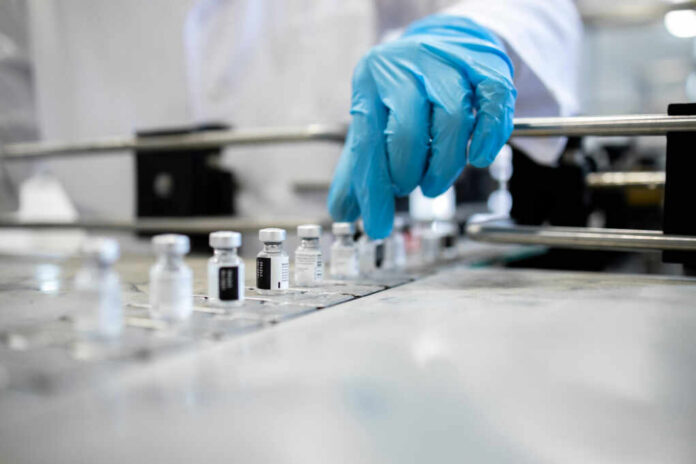
A single vial of blood could soon reveal whether you’re harboring one of fifty different cancers lurking silently in your body—before symptoms ever appear.
Quick Take
- Multi-cancer early detection blood tests can identify 50+ cancer types from a single blood draw with 74% sensitivity for the deadliest cancers
- GRAIL’s Galleri test detects cancer signals before symptoms appear and pinpoints cancer origin with over 90% accuracy
- FDA approval expected in the second half of 2026, which could transform cancer screening for adults 50 and older
- Current $950 cost and lack of insurance coverage limit access to affluent patients, raising equity concerns
- Approximately 70% of cancer deaths occur in cancers without standard screening methods, creating massive unmet clinical need
The Screening Gap That Kills
American medicine has mastered screening for five cancers: breast, colon, cervical, prostate, and lung. Yet roughly one hundred other cancer types remain invisible until they’ve already spread. This isn’t negligence—it’s the historical reality of cancer detection. But that reality is shifting. GRAIL’s Galleri test and competitors like Exact Sciences’ Cancerguard represent the first practical breakthrough in screening for dozens of cancers simultaneously through analysis of cell-free DNA circulating in your bloodstream.
The numbers tell a sobering story. Seventy percent of annual cancer cases and deaths in the United States occur in cancers with no recommended screening protocols. Pancreatic cancer, ovarian cancer, liver cancer, esophageal cancer—these killers strike without warning. When detected, they’re often already advanced. But what if a simple blood test could catch them at stage one or two, when treatment outcomes improve dramatically? That’s the promise driving this technology forward.
The Science Behind the Test
Your body sheds millions of cells daily. Cancer cells shed differently, leaving behind distinctive DNA fragments and methylation patterns in your bloodstream. Genomic sequencing technology has become sophisticated and affordable enough to analyze these signals across multiple cancer types simultaneously. GRAIL’s December 2025 Pathfinder II study, involving nearly 36,000 participants, revealed the test’s real-world performance. For the twelve deadliest cancers—pancreatic, ovarian, liver, lung, and others—the test achieved 74% sensitivity. Across all detectable cancers, sensitivity reached 40%. Most remarkably, the false positive rate held steady at just 0.4%, the lowest among available tests.
When Galleri detected cancer signals, it identified the cancer’s origin with greater than 90% accuracy. In 53% of detected cancers, the test caught the disease at stage one or two. Seventy percent were identified at stages one through three, when treatment options expand significantly and survival rates improve. Dr. Josh Ofman, GRAIL president, reported that adding Galleri to standard screening protocols resulted in a seven-fold increase in cancer detection rates compared to conventional screening alone.
The Market Reality Today
Galleri launched in 2021 and has conducted over 370,000 tests since market entry. Yet accessibility remains limited. The test costs $950 per screening, and most insurance plans do not currently cover it. This creates a stark equity problem: affluent patients can access breakthrough cancer detection; most Americans cannot. This disparity will likely persist until FDA approval arrives and insurance companies establish reimbursement policies. GRAIL plans to seek FDA approval in the second half of 2026, a regulatory milestone that could unlock broader adoption.
Competition is intensifying. Exact Sciences’ Cancerguard test is also seeking FDA approval, signaling that multi-cancer detection blood tests represent the future of oncology screening. Market forces should eventually drive down costs, but timing remains uncertain. Healthcare providers are already integrating Galleri into clinical practice at Mayo Clinic and Inova Schar Cancer Institute, validating the test’s clinical utility even before regulatory approval.
The Caution That Remains
Medical institutions aren’t uniformly enthusiastic. The American Cancer Society acknowledges MCED tests as “a promising advancement” but emphasizes that further studies are needed. The Society questions whether these tests should be offered for general population screening or reserved for specific high-risk groups. This uncertainty reflects a legitimate scientific concern: long-term clinical outcomes data remain incomplete. Does earlier detection actually reduce cancer mortality? What are the costs of unnecessary follow-up procedures triggered by false alarms? These questions demand answers before widespread adoption.
Dr. Jon LaPook, CBS News chief medical correspondent, captured the measured perspective: “The science behind this idea is promising, but it’s still early days for this type of screening. Further research is needed to help understand the role it might play in the early detection of cancer.” This isn’t pessimism—it’s scientific rigor. Breakthrough technologies require rigorous validation before becoming standard care.
What Comes Next
The next eighteen months will determine whether MCED tests transform cancer screening or remain a premium service for the wealthy. FDA approval, insurance coverage decisions, and ongoing clinical research will shape adoption. If approved and covered, these tests could become standard-of-care for adults fifty and older, fundamentally changing how medicine approaches cancer detection. The potential for mortality reduction in pancreatic, ovarian, and liver cancers alone justifies the urgency. But equity concerns demand that policymakers ensure access doesn’t depend on income. The blood test that could save millions of lives must reach all Americans, not just those who can afford $950 out-of-pocket.
Sources:
Promising Results Emerge from Blood Tests That Screen for 50 Cancers at Once
Groundbreaking Cancer Blood Test Can Detect More Than 50 Cancers, Bay Area Biotech Say
Exact Sciences Launches Cancerguard: First-of-Its-Kind Multi-Cancer Early Detection Blood Test
Advisory Daily Briefing: Cancer Blood Test
CBS News: Cancer Blood Test Early Detection