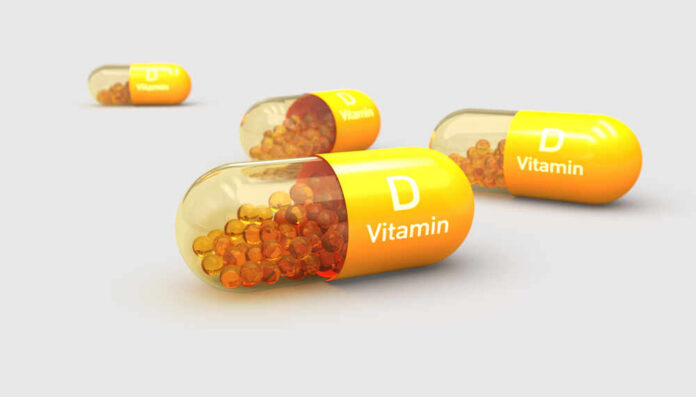
A common nutrient deficiency in older adults increases fall risk by 14 percent, yet fewer than half consume adequate amounts to protect their bones and muscles from age-related decline.
Story Snapshot
- Vitamin D supplementation at doses of 700 to 2000 IU daily reduces fall risk by 14% in older adults, preventing approximately 68 falls per 1000 people treated.
- Only 15 people need treatment to prevent one fall, yet widespread deficiency persists due to limited sun exposure and dietary sources in seniors.
- The nutrient reverses type II muscle fiber atrophy through vitamin D receptor binding, offering benefits beyond traditional bone health.
- Effectiveness peaks when combined with calcium supplementation and sustained for more than six months, particularly in community-dwelling adults under 80 years old.
The Hidden Muscle Connection Behind Vitamin D
Vitamin D operates through mechanisms that extend far beyond calcium absorption. The nutrient binds to vitamin D receptors in muscle tissue, directly reversing type II muscle fiber atrophy common in deficient elderly populations. This muscle-strengthening effect explains why vitamin D supplementation reduces falls even before addressing bone density. Researchers discovered this connection when analyzing why certain seniors experienced balance improvements alongside skeletal benefits. The dual action on both muscle function and calcium phosphate uptake creates a protective effect against the leading cause of hip fractures in people over 60.
Dose Thresholds That Separate Success From Failure
Meta-analyses of 10 randomized controlled trials involving 2932 participants established clear dosage boundaries for effectiveness. Supplements below 700 IU daily showed no measurable impact on fall prevention, while doses between 700 and 2000 IU demonstrated consistent risk reduction. The number needed to treat stands at 15, meaning 15 people require supplementation to prevent one fall. Community-dwelling adults under 80 years experienced the strongest benefits when treatment extended beyond six months using cholecalciferol rather than active vitamin D forms. The addition of calcium supplementation enhanced outcomes significantly, though vitamin D alone still provided measurable protection.
Why Exercise Outperforms Pills in Certain Populations
A two-year randomized controlled trial tested vitamin D supplementation in women with adequate baseline vitamin D levels, revealing important limitations. Exercise training halved injurious falls with hazard ratios between 0.38 and 0.47, while vitamin D alone produced no fall rate reduction in this replete population. The trial demonstrated vitamin D’s primary value in deficient individuals, preserving bone density at the femur and tibia even when fall prevention plateaued. This finding redirected clinical focus toward identifying deficient populations rather than universal supplementation. Adults over 80 years showed 28% risk reduction compared to just 8% in younger seniors, suggesting age-specific responses.
The Deficiency Epidemic Hiding in Plain Sight
Older adults face a perfect storm of factors driving vitamin D insufficiency. Reduced skin synthesis capacity combines with limited dietary intake and decreased outdoor activity to create widespread deficiency. Comorbidities common in aging populations further impair vitamin D metabolism and utilization. Despite falls causing 95% of hip fractures and representing a major source of elderly morbidity, supplementation rates remain inadequate. The economic impact extends beyond immediate medical costs, as falls compromise independence and accelerate institutional care needs. Public health bodies now weigh the cost-effectiveness of supplementation programs against the number needed to treat, finding favorable ratios for targeted interventions.
Reconciling Contradictory Research Findings
Early reviews prior to 2009 found insufficient evidence for vitamin D’s fall prevention benefits, creating skepticism that newer research had to overcome. The confusion stemmed from studies testing active vitamin D forms or doses below the 700 IU threshold where effects emerge. Researchers also discovered that vitamin D doesn’t follow a linear dose-response pattern, complicating earlier interpretations. High-dose trials showed inconsistent results for different fall types, while low heterogeneity in properly designed studies validated the core findings. The 2022 meta-analysis confirmed that frequency of dosing and baseline vitamin D levels matter as much as total intake, resolving apparent contradictions in the literature.
Practical Implementation for Maximum Benefit
The evidence supports specific supplementation strategies rather than one-size-fits-all approaches. Adults over 60 with limited sun exposure should target 700 to 2000 IU daily using cholecalciferol, preferably combined with calcium. Treatment duration should extend at least six months before evaluating effectiveness, as shorter interventions show minimal impact. Community-dwelling seniors derive greater benefit than institutionalized individuals with adequate baseline levels. Those over 80 years represent a particularly responsive group despite showing weaker effects in younger cohorts. Exercise remains essential regardless of supplementation status, with combined interventions offering superior protection against injurious falls compared to either approach alone.
Sources:
Effect of Exercise and Vitamin D on Fall Prevention Among Older Women
Vitamin D Supplementation for Prevention of Fall and Fracture in Older Adults
Effects of High-Dose Vitamin D Supplementation on falls: A Systematic Review and Meta-Analysis
Vitamin D Supplementation and Falls in Residential Care
Interventions to Prevent Falls in Community-Dwelling Older Adults