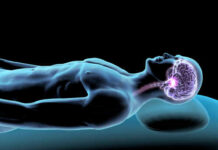
Your brain can literally manufacture illness from sheer worry, turning fleeting twitches into terrifying symptoms that feel utterly real.
Story Snapshot
- Health anxiety triggers genuine physical symptoms through a neurobiological feedback loop in the brain.
- Psychiatrists recognize it as Illness Anxiety Disorder or Somatic Symptom Disorder, not weakness or faking.
- The cycle starts with noticing normal sensations, spirals into fear, and amplifies pain and distress.
- Annual U.S. healthcare costs exceed $20 billion from unnecessary tests driven by this condition.
- Treatment targets anxiety itself, as medical reassurance alone fails to break the loop.
Neurobiological Mechanism Behind Thought-Induced Symptoms
The brain heightens awareness of bodily sensations when illness fear strikes. Normal twitches become signals of ALS, acid reflux hints at heart disease, tension headaches suggest brain tumors. This hyper-focus transforms ignored minor feelings into alarming experiences. Anxiety then amplifies these through a feedback loop: sensation noticed, danger assumed, fear surges, symptoms worsen, cycle repeats.
Reassurance offers brief relief because anxiety resides in the brain’s threat system. The brain keeps scanning for danger despite clean tests. Patients relax temporarily post-results, only for new sensations to reignite fears. Psychiatrists stress addressing root anxiety breaks this self-perpetuating trap.
Clinical Symptoms and Diagnostic Standards
Patients obsess over serious illness, visit doctors repeatedly without accepting normal results, and scour online for symptom matches. They check bodies compulsively for lumps or irregularities, endure sleep disruption, and fixate conversations on health. Distress persists six months minimum for diagnosis, interfering with work, family, sleep.
Avoidance of activities or people due to health risks leads to isolation. Healthy caution accepts reassurance and doctor advice; health anxiety dismisses it, fixates endlessly, derails daily life. Primary care doctors often label such patients difficult, delaying proper psychiatric care.
Historical Evolution to Modern Recognition
Hypochondria traces centuries back, once dismissed as imaginary by doctors. Today, psychiatry classifies it as Illness Anxiety Disorder with minimal symptoms but intense fear, or Somatic Symptom Disorder blending distress and excess worry. Health anxiety replaces outdated hypochondriasis term. This shift acknowledges neurobiological reality over character judgments.
Stakeholders include sufferers enduring real pain, psychiatrists treating root causes, and physicians facing first complaints. Healthcare systems absorb billions in futile tests; some providers exploit fears with unneeded procedures. Patients meet skepticism, risking inadequate mental health support.
Root Causes and Personal Risk Factors
Cognitive intolerance for bodily uncertainty prompts misinterpreting sensations as dire threats, seeking confirming evidence. Family history heightens risk if parents modeled excessive health worry. Childhood serious illness imprints fear on normal feelings. Perception distorts absent real disease into convinced doom.
These factors create vulnerability where brains overreact to ambiguity, a common sense predisposition amplified by life experiences.
Profound Individual and Systemic Consequences
Sufferers spiral into debilitating stress, despair, depression, convinced of fatal disease despite evidence. Daily functions crumble under preoccupation. Families strain from constant health talk; work suffers avoidance. Social isolation deepens from risk fears.
Healthcare wastes over $20 billion yearly on unwarranted scans, fueling a cycle of dismissal or exploitation. Proper diagnosis curbs this, prioritizing mental health integration. Experts unite: target anxiety, not endless tests, for lasting relief.
Sources:
Mayo Clinic: Illness Anxiety Disorder
Amen Clinics: Is Health Anxiety (Hypochondria) Making You Sick?