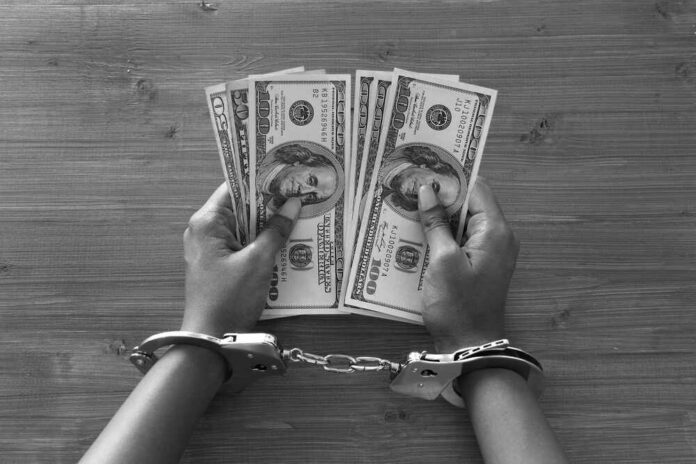
Money feels abstract until it starts changing sleep, energy, and the way a person handles the day.
Quick Take
- Financial control does more than balance a ledger; it often supports mental and physical well-being.
- People with more financial control report better health, less sadness, and fewer sleep problems.
- Money worries and debt are closely tied to distress, anxiety, and poorer recovery from mental health problems.
- Healthy money habits work best when they create calm, room for error, and real freedom over time.
Financial Control Is Not Just About Wealth
The strongest theme in the research is simple: control matters as much as cash. Studies link feeling in control of one’s finances with more days of good health, higher life satisfaction, and less sadness, pain, and poor sleep. Other research finds that lower financial assets are tied to higher odds of depression and anxiety, even when income is taken into account.
That helps explain why many people do not describe money as a luxury issue. They describe it as a stress issue. Morgan Housel’s framing matches this idea closely. He argues that money cannot buy happiness outright, but it can buffer stress and shape outcomes. In plain terms, money matters most when it gives a person breathing room.
Why Money Stress Hits So Hard
Money trouble rarely stays in the bank account. It spills into the body and mind. A review of the evidence found that higher financial worries are linked to higher psychological distress, while debt and loans are also tied to worse mental health. Mind, the mental health charity, says money worries can trigger anxiety, panic, and sleep problems.
The pattern goes both ways. Mental health problems can make money management harder, which can deepen financial strain. Money and Mental Health reports that people with mental health problems are more likely to be in problem debt, and that debt can slow recovery from depression. That feedback loop is one reason financial control matters so much. When control weakens, stress often grows.
The Case for Building a Financial Buffer
The research does not say money solves every problem. It says money can reduce the damage that stress does. A Columbia University review notes that financial wellness is linked with good health, while financial stress and high debt burden put physical and mental health at risk. The same piece says even a modest increase in annual income can improve health and longevity.
This is where the idea of a buffer becomes important. A buffer is not greed. It is protection. It gives people space between today’s bills and tomorrow’s shocks. Morgan Housel’s wider argument supports that view: the best value of money is often control over time and life, not status goods. That is the part many people miss when they think about wealth.
A buffer also changes behavior. People with more room are less likely to make panicked choices. They can delay a purchase, keep saving, or absorb a surprise expense without spiraling. Research on financial behavior finds that savings habits, timely payments, mental budgeting, and self-control are all tied to better financial well-being. These habits matter because they replace panic with routine.
Healthy Money Habits Create Freedom
The best financial habits are not dramatic. They are quiet and repeatable. Automatic saving, planned spending, and honest budgeting can lower stress because they reduce decision fatigue. The American Psychological Association has noted that people who feel financially insecure often struggle with anxiety, stress, and concentration, and that automatic transfers can help restore a sense of control.
That sense of control is the real prize. It helps people avoid living in reaction mode. It also helps them resist the trap of comparing themselves with others. Housel warns that trying to “win” by having more than everyone else is a losing game. In that light, financial success is not about looking rich. It is about living with less fear and more choice.
When Control Is Taken Away
There is one more layer that matters. Sometimes financial control is not just weak. It is taken away. Australian government guidance says coercive control can include economic and financial abuse, such as monitoring spending, blocking access to bank accounts, or creating debt in another person’s name. That kind of abuse does more than drain money. It strips freedom.
Healthy financial control should never mean one person dominates another. It should mean clear boundaries, shared planning, and the ability to make calm decisions. Pennsylvania State University’s guidance on financial abuse says open discussion about goals, spending, and budgeting can help build trust and reduce conflict. That is a better model: money as a tool for health, not a weapon against it.
Sources:
artofhealthyliving.com, investmentnews.com, linkedin.com, harriman-house.com, youtube.com, journals.plos.org, sciencedirect.com, nature.com, mind.org.uk, pmc.ncbi.nlm.nih.gov, moneyandmentalhealth.org, ag.gov.au