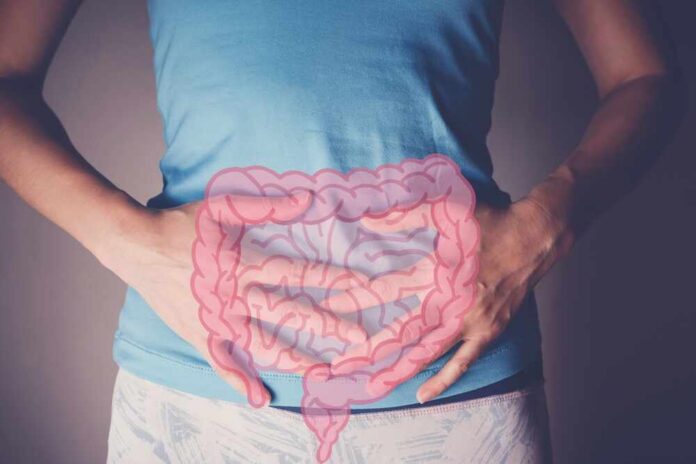
The workout supplement gathering dust in gym lockers nationwide might hold the key to healing your inflamed gut—and scientists are only beginning to understand why.
Story Snapshot
- New research reveals dietary creatine reduces chronic constipation risk through cellular energy support, not muscle building
- A 2021 Gastroenterology study confirmed creatine modulates gut barrier integrity by preventing intestinal cells from metabolic stress
- One Crohn’s disease patient experienced complete symptom resolution after reintroducing just 1 gram daily of creatine supplementation
- Protective effects appear strongest in men and younger adults, suggesting hormone-mediated pathways play a role
- Current evidence relies primarily on animal studies and cell models, with human clinical trials still needed
From Gym Floors to Gut Healing
For decades, creatine occupied a singular role in nutrition science: fuel for bodybuilders chasing bigger biceps. The white powder promised explosive strength gains through enhanced ATP production in muscle tissue. Yet researchers studying inflammatory bowel diseases stumbled upon something unexpected. When intestinal cells face metabolic stress during inflammation, they desperately need the same energy currency creatine provides to muscles. This discovery repositioned an athletic supplement as a potential therapeutic agent for gut disorders affecting millions of Americans.
The Energy Crisis Inside Your Intestines
Your gut barrier operates as a sophisticated security system, absorbing nutrients while blocking toxins and pathogens. This selective screening demands constant energy from intestinal epithelial cells maintaining tight junctions between each cellular gatekeeper. When inflammation strikes, these cells shift from efficient mitochondrial energy production to a stressed, glycolysis-dependent metabolism. The 2021 Gastroenterology study demonstrated that without adequate creatine, intestinal cells cannot sustain this energy-intensive barrier function, potentially explaining why gut permeability worsens during inflammatory conditions.
What Constipation Reveals About Cellular Metabolism
The 2025 Frontier in Nutrition study established a direct linear relationship between dietary creatine intake and reduced chronic constipation risk. Researchers found that higher creatine consumption from meat sources correlated with better bowel regularity, particularly among men and younger adults. The mechanism extends beyond simple hydration. Creatine supports mitochondrial function in gut cells, preserving the anaerobic environment that beneficial bacteria like Faecalibacterium and Roseburia require to produce butyrate, a critical fuel source for colon cells.
The Crohn’s Disease Case That Changed Perspectives
A 2016 case report documented remarkable outcomes in a patient with Crohn’s ileitis. After reintroducing just 1 gram daily of creatine, the patient experienced resolution of ulceration and intestinal narrowing that had plagued them for years. While a single case cannot establish causation, the documented improvements aligned perfectly with mechanistic studies showing creatine’s role in ATP regeneration and oxidative stress reduction. This clinical observation prompted researchers to investigate whether creatine’s protective effects during metabolic stress could benefit broader populations with inflammatory bowel diseases.
Gender Differences Point to Hormonal Pathways
The protective effects against constipation appeared significantly stronger in men than women, suggesting testosterone-mediated mechanisms. Research indicates that hormonal pathways influence bile acid signaling and creatine metabolism, potentially explaining these gender-specific outcomes. Younger adults also demonstrated more pronounced benefits compared to older populations. These distinctions matter because they suggest creatine’s gut health benefits operate through complex hormonal and metabolic networks rather than simple supplementation replacing a deficiency.
Beyond Supplementation: Dietary Sources Matter
The research emphasized that dietary creatine from meat proteins provides protective benefits, not just isolated supplement powders. This distinction carries practical implications for individuals seeking gut health support through nutrition rather than pills. Red meat, poultry, and fish naturally contain creatine that supports intestinal barrier function. However, vegetarians and vegans produce creatine endogenously from amino acids, though potentially at lower levels. The optimal balance between dietary sources and supplementation for gut health remains an open question requiring further investigation.
The Microbiome Connection
Creatine’s support of mitochondrial function in intestinal cells creates downstream effects throughout the gut ecosystem. By preserving oxygen consumption in epithelial cells, creatine helps maintain the anaerobic conditions that beneficial bacteria require. Low butyrate-producing bacteria and elevated inflammatory species correlate with compromised gut barriers. Clinical observations suggest that combining butyrate and creatine supplementation may synergistically support patients with disrupted microbiome compositions, though controlled studies have not yet validated this approach in human populations.
What the Research Cannot Yet Tell Us
Despite compelling mechanistic evidence, critical gaps remain in our understanding of creatine for gut health. The research relies heavily on animal models and intestinal cell cultures, with only one documented human case report for inflammatory bowel disease. Optimal dosing protocols remain undefined beyond the single 1-gram daily dose used in the Crohn’s case. The 2025 study found no association between dietary creatine and chronic diarrhea, suggesting context-dependent effects that require clarification. Randomized controlled trials examining creatine supplementation for specific gut conditions have not been conducted.
Clinical Implications Worth Considering
The evidence suggests creatine supplementation may offer particular value during metabolic stress or active inflammation when mitochondrial function becomes impaired. For individuals with chronic constipation, increasing dietary creatine through meat consumption or considering supplementation represents a low-risk intervention supported by emerging research. Patients with inflammatory bowel diseases should discuss creatine with gastroenterologists as a potential complementary approach alongside standard treatments. The compound’s safety profile, established through decades of athletic use, provides reassurance though gut-specific dosing studies remain necessary.
Sources:
Creatine Your Gut How It Supports Digestive Wellness – Bubs Naturals
Creatine For Gut Health – Healthpath
Creatine It’s About Time We Talked – Lucy Mailing
Dietary Creatine and Chronic Constipation – Frontiers in Nutrition
Creatine In Your Diet May Benefit Your Digestive System – News Medical
Creatine Power Muscle Gut Health and Performance Boost – Food Guides