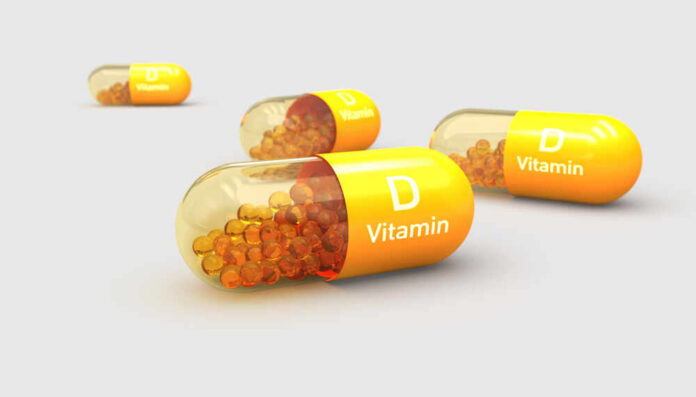
A simple vitamin supplement given to breast cancer patients during chemotherapy nearly doubled their complete remission rates in a groundbreaking study that challenges our assumptions about affordable cancer care enhancements.
Story Snapshot
- Vitamin D supplementation during chemotherapy achieved 43% complete remission versus 24% with placebo in 80 breast cancer patients
- Daily 2,000 IU dosage over six months produced an 80% relative improvement in treatment outcomes
- The affordable supplement addresses dual concerns: cancer treatment and widespread vitamin D deficiency affecting 66% of the population
- Researchers emphasize this small study requires validation through larger global clinical trials before widespread implementation
- Other supplements including vitamin B12 and iron have shown harmful effects on breast cancer survival, highlighting critical differences between supplements
The Stunning Remission Gap That Demands Attention
Researchers at Botucatu School of Medicine in Brazil divided 80 women over age 45 into two groups before beginning neoadjuvant chemotherapy, the treatment designed to shrink tumors before surgical removal. One group received 2,000 IU of daily vitamin D while the other took placebo tablets. After six months, the vitamin D group experienced complete cancer disappearance at nearly double the rate of the placebo group. This represents an 80% relative improvement in complete remission rates, an outcome that would typically require expensive pharmaceutical interventions.
The affordability factor distinguishes this approach from conventional chemotherapy-enhancing drugs. Vitamin D supplements cost pennies per day compared to specialized medications that run thousands of dollars per treatment cycle. For healthcare systems struggling with cancer care costs and patients in resource-limited settings, this finding suggests a democratization of treatment enhancement. Two-thirds of the global population suffers from vitamin D deficiency, creating a scenario where supplementation addresses both cancer treatment efficacy and an underlying health deficit simultaneously.
Why Size Matters and What Comes Next
The study’s 80-participant sample size represents both its promise and its limitation. While the results provoke excitement, responsible interpretation requires acknowledging that small studies often fail to replicate in larger, more diverse populations. The research originated from a single institution in Brazil, raising questions about generalizability across different genetic backgrounds, dietary patterns, and healthcare contexts. The scientists themselves emphasize their findings deserve much deeper investigation through expansive global clinical trials before oncologists incorporate vitamin D protocols into standard treatment guidelines.
The six-month treatment window aligns with typical neoadjuvant chemotherapy timelines, but longer-term effects remain unexplored. Does vitamin D supplementation continue providing benefits after chemotherapy concludes? Do patients maintain adequate vitamin D levels without continued supplementation? These questions await answers from follow-up research that tracks patients beyond the immediate treatment phase.
The Dangerous Supplement Paradox Cancer Patients Must Navigate
The vitamin D findings exist within a troubling landscape of supplement research that reveals stark contradictions. A prospective study called DELCaP found that vitamin B12 supplementation before and during chemotherapy significantly worsened disease-free survival and overall survival rates. Iron intake prior to and during treatment similarly linked to disease recurrence. These findings expose a critical reality: supplements are not universally beneficial, and some actively undermine cancer treatment. The distinction between helpful and harmful supplementation requires expert guidance rather than self-directed decisions.
Antioxidant supplements present another concerning scenario. Vitamins C and E, commonly perceived as health-promoting, may protect cancer cells from chemotherapy’s cell-killing mechanisms. This protective effect directly contradicts treatment goals, reducing chemotherapy effectiveness precisely when patients need maximum therapeutic impact. The irony cuts deep for patients who believe they’re supporting their health through supplementation. Multivitamin use showed no association with negative survival outcomes, suggesting broad-spectrum supplementation differs fundamentally from targeted high-dose individual nutrients.
The three-fold increase in supplement intake after breast cancer diagnosis, jumping from 20.2% to 56.4% of patients, demonstrates how desperately patients seek control over their treatment outcomes. Faced with a life-threatening diagnosis, taking proactive steps provides psychological comfort alongside potential physical benefits. However, the science reveals that good intentions without medical oversight can backfire catastrophically. Oncologists design treatment plans with precise dosing and timing, and supplements can disrupt these carefully calibrated protocols in ways patients cannot anticipate.
The vitamin D research offers genuine hope while simultaneously illuminating the complexity of nutritional intervention during cancer treatment. The 43% versus 24% remission rate difference cannot be dismissed, yet neither can it justify abandoning medical supervision in favor of supplement experimentation. Healthcare teams must know every substance entering a patient’s body during chemotherapy because interactions with heavy-dose cancer medications can alter treatment effectiveness in unpredictable ways.
Sources:
Can Vitamin D Improve Breast Cancer Treatment Outcomes? New Study Reveals Promising Results
Research Bytes: Using Supplements During Chemotherapy
Antioxidant Supplement Use During Breast Cancer Treatment and Survival
Study Reinforces Concerns About Dietary Supplement Use and Breast Cancer Treatment
Vitamin Supplements May Affect Breast Cancer Recurrence