Your “fullness switch” isn’t willpower—it’s a gut hormone you can influence, meal by meal.
Quick Take
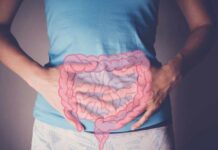
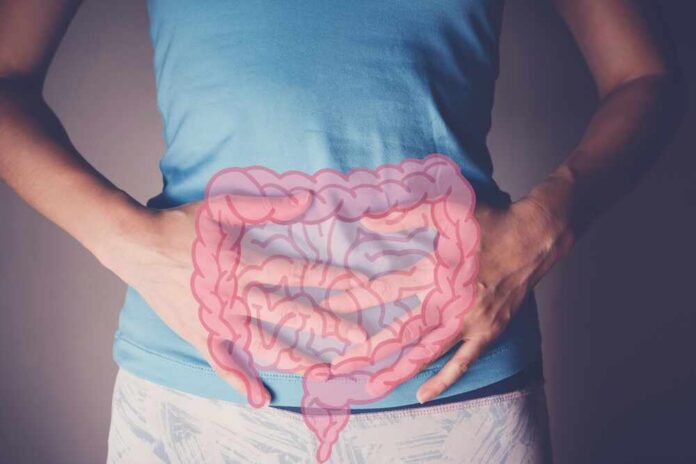
- GLP-1 is made in the intestines and helps control appetite, slows stomach emptying, and supports steadier blood sugar.
- Protein, fiber, and healthy fats push GLP-1 higher than “diet foods” ever will, especially when combined.
- Gut bacteria matter: fermentable fibers and fermented foods can change how strongly GLP-1 signals work.
- Exercise intensity counts; a casual stroll helps health, but moderate-to-vigorous work appears more GLP-1-relevant.
- Supplements can play a supporting role, but common sense says food and routine come first.
Why GLP-1 Became the Most Talked-About Hormone in American Kitchens
GLP-1 rose from “biology trivia” to dinner-table conversation because prescription GLP-1 drugs proved one blunt truth: appetite is not just a character issue. GLP-1 comes from the gut and helps you feel satisfied sooner, keeps food in the stomach longer, and supports better post-meal blood sugar control. When people see that effect in medication form, the next question is obvious: how much of that can the body do on its own?
Medications can be expensive, hard to obtain, and come with side effects some people don’t want. Lifestyle strategies don’t require permission slips. The catch is that “natural” only works when it’s specific—protein type, fiber type, and consistent habits—not vague promises, detoxes, or snack bars with clever labels.
Protein: The Most Reliable Trigger for “I’ve Had Enough”
Protein stands out as one of the strongest meal signals for GLP-1 release, and it tends to reduce how much you eat later without forcing calorie math. The best strategy is boring and effective: anchor meals with eggs, fish, poultry, Greek yogurt, beans, lentils, or a handful of nuts and seeds. A useful upgrade adds calcium-rich foods alongside protein—think yogurt, chia, sardines, or edamame—because that pairing appears to amplify GLP-1 response.
Healthy Fats That Slow the Meal Down and Turn Satiety Up
GLP-1 works partly by slowing gastric emptying, and healthy fats reinforce that braking system. Monounsaturated fats and omega-3s show up repeatedly in GLP-1-friendly eating patterns, with Mediterranean-style choices outperforming saturated-fat-heavy approaches for blood sugar control. Olive oil, avocados, walnuts, almonds, chia, flax, and fatty fish like salmon and sardines do the job. One practical lesson: adding avocado to a meal can raise satiety hormones more than the same meal without it.
Fiber, Fermentation, and the Gut Bacteria Middleman
Fiber doesn’t just “keep you regular.” Fermentable fibers slow digestion and soften glucose spikes, which helps trigger GLP-1. They also feed beneficial gut bacteria, and that matters because the gut ecosystem influences how hormone signals get produced and used. Oats, barley, beans, lentils, artichokes, asparagus, Brussels sprouts, apples, pears, and chia earn their keep here. People with IBS or SIBO may react poorly to highly fermentable fibers, so lower-FODMAP fiber options like psyllium, quinoa, chia, and flax meal can be better tolerated.
Fermented Foods: A Small Daily Habit With Outsized Influence
Probiotics and fermented foods won’t “hack” GLP-1 overnight, but they support the gut environment where GLP-1 gets made. The adult-friendly version of this habit looks like a daily serving you can repeat without drama: yogurt or kefir at breakfast, sauerkraut on lunch, or miso and tempeh in a simple dinner. The point isn’t chasing exotic strains; it’s consistency. Gut health tends to reward routines more than occasional heroic efforts.
Exercise: Intensity Is the Differentiator Most People Ignore
Exercise can raise GLP-1, but the “how” matters. Moderate-to-vigorous effort appears more likely to produce the metabolic changes tied to better GLP-1 signaling than minimal-effort movement alone. A workable plan blends cardio and resistance training: brisk walking that actually raises breathing, cycling, intervals on a rower, plus basic strength work that challenges major muscle groups. For adults over 40, strength training also protects muscle while appetite improves—a double win when weight management is the goal.
Supplements: Useful Tools, Not a Substitute for a Real Diet
Supplement interest explodes whenever “Nature’s Ozempic” headlines appear, and berberine sits at the center of that hype because research links it to GLP-1 and glycemic improvements. Psyllium has a more straightforward case: it’s soluble fiber that can increase fullness and support blood sugar, but it demands adequate water intake to avoid constipation. Curcumin and ginseng show promise for glucose control and GLP-1-related effects, while yerba mate has more animal than human evidence, so claims should stay modest and cautious.
The Eating Pattern That Makes GLP-1 Work All Day, Not Just After One “Good” Meal
Meal structure often matters as much as ingredients. GLP-1 responds best when meals combine protein, fiber, and healthy fats instead of chasing one macro at a time. A simple template: eggs plus sautéed vegetables in olive oil; salmon with lentils and greens; Greek yogurt with chia and berries; beans with avocado and a lean protein. Specific add-ons like tea, cinnamon, dark chocolate, and nuts can complement the pattern, but they shouldn’t replace it.
The most honest takeaway lands somewhere between two extremes. Natural strategies won’t replicate pharmaceutical doses of GLP-1 activity, and pretending otherwise insults readers’ intelligence. At the same time, boosting your own GLP-1 signaling through food, training, and gut health can improve appetite control and post-meal blood sugar in ways that feel surprisingly “automatic” once the routine locks in.
Sources:
https://health.osu.edu/wellness/exercise-and-nutrition/activiating-glp-1-naturally
https://drwillcole.com/how-to-naturally-increase-glp-1/
https://www.bmhsc.org/blog/getting-glp-1-natural-way-how-do-it-and-how-it-helps
https://www.goodrx.com/conditions/weight-loss/how-to-increase-glp-1-naturally
https://www.healthline.com/health/foods-that-increase-glp-1
https://www.webmd.com/obesity/features/natural-glp1-boosters
https://www.news-medical.net/health/Best-natural-ways-to-boost-GLP-1-for-weight-loss.aspx