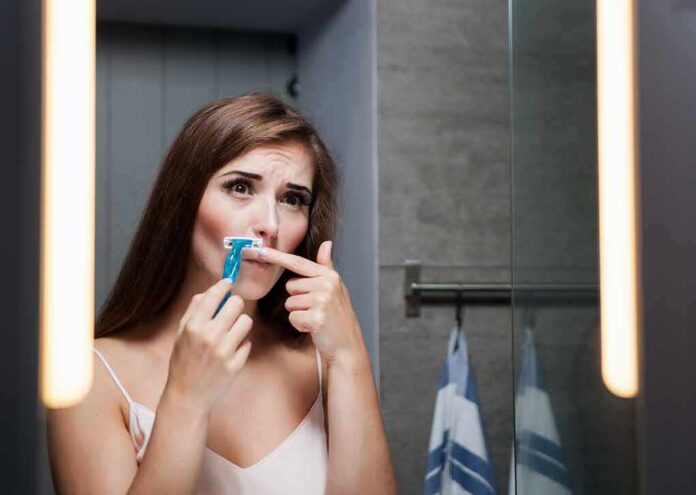
That razor blade you used this morning may be doing more damage to your skin than you realize, and the signs are ones most people completely ignore.
Quick Take
- Most grooming experts recommend replacing razor blades every 5 to 10 shaves, but performance signals matter more than the calendar.
- Tugging, skin irritation, and visible dullness are the clearest indicators a blade has worn past its useful life.
- How often you shave, hair thickness, and how you store your razor all determine how fast a blade degrades.
- Keeping a dull blade in rotation increases your risk of nicks, razor burn, and bacterial contamination from moisture buildup.
The Number Most Shavers Get Wrong From the Start
Most people replace their razor blade when they remember to, not when they should. That gap between memory and reality is where razor burn, ingrown hairs, and unnecessary nicks live. Gillette recommends that most people change blades every 5 to 10 shaves, but that range comes with a critical qualifier: replace immediately when you notice dullness, tugging, irritation, or when the lubricating strip fades. [1] That is not a suggestion buried in fine print. It is the primary guidance, and millions of shavers skip it entirely.
The number of shaves is a rough starting point, not a hard rule. Healthline advises aiming for a replacement every 5 to 7 shaves as a practical baseline for a smooth and safe shave. [5] Wilkinson Sword puts the average closer to 10 shaves before a change is warranted. [6] The spread between those two figures tells you everything: blade life is variable, and anyone who shaves daily with coarse hair is going to burn through a blade faster than someone who shaves twice a week with fine hair.
Why Your Skin Knows Before You Do
The most reliable replacement signal is not a number on a calendar. It is what your skin tells you mid-shave. Gillette Venus states that dullness is the best indicator a new blade is needed, and that a blade pulling at hair or causing more post-shave irritation than normal is a clear sign to swap it out. [4] Those physical cues are not cosmetic complaints. A dull blade drags across skin rather than cutting cleanly, which creates micro-abrasions that invite bacteria and cause the redness most people mistakenly blame on their shaving cream.
GoodRx, drawing on dermatology-oriented guidance, recommends changing blades at least every five to seven shaves, and notes that blade quality and the number of blade layers in a cartridge also affect how long the edge holds up. [3] A five-blade cartridge and a single double-edge blade are not on the same replacement clock. Treating them as if they are is a common and costly mistake for your skin.
Storage and Hygiene Are Quietly Wrecking Your Blade
Where you keep your razor between shaves matters almost as much as how often you use it. Leaving a wet blade sitting on the shower shelf is one of the fastest ways to accelerate edge degradation and bacterial buildup. Moisture is the enemy of blade longevity. Rinsing the blade thoroughly after each shave and storing it in a dry location can meaningfully extend its useful life. The English Shaving Company advises that daily shavers replace blades every one to two weeks, while those who shave every other day can stretch to two to three weeks. [2] That schedule assumes reasonably good storage habits. Poor storage compresses that timeline significantly.
Rust is the most visible sign that storage has failed. A blade showing any rust should come out immediately, not because it will shave poorly, though it will, but because dragging a corroded edge across skin introduces contamination risk that no amount of shaving gel can offset.
The Practical Rule That Actually Works
The most sensible approach combines a loose schedule with active symptom monitoring. Start with a five to seven shave baseline. [5] Pay attention to how the blade feels on shave three and four. If it starts pulling rather than gliding, do not wait for shave seven. Replace it. If it still feels sharp and smooth at shave eight, you have likely stored it well and your hair is on the finer side. Trust the feedback from your skin over any fixed number. The blade manufacturers who publish replacement guidance are not running controlled clinical trials. They are giving consumers a practical heuristic, and the honest ones, including Gillette, build the symptom-based override right into their own advice. [1] Following both parts of that guidance, the number and the feel, is the only approach that actually protects your skin.
Sources:
[1] Web – How Often to Replace Razor Blades, According to Grooming Experts
[2] Web – How Often Should You Change Razor Blades | Gillette US
[3] Web – How Often Should You Change Your Razor Blades?
[4] Web – How Often Should You Change Your Razor Blade? – GoodRx
[5] Web – How Often Should You Shave and Change Your Razor Blades
[6] Web – How Often Should You Change Your Razor Blades? – Healthline